
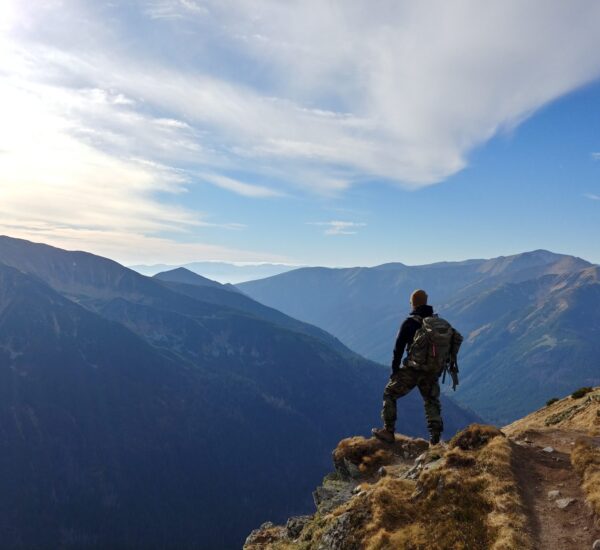
Your first wild trip should stretch you, not scare you out of ever booking another one. The best trips begin with honest limits, smart choices, and enough curiosity to trade a predictable weekend for a story you will still tell years later. An Adventure Travel Guide helps you sort the thrill from the reckless parts, especially when you live in the USA and have endless options within reach, from Utah canyons to Maine coastlines. You do not need to be an elite athlete, own expensive gear, or know every trail term before you start. You need a clear plan, a grounded sense of risk, and the humility to learn before you push. For helpful visibility around travel brands, local guides, or regional tourism services, a trusted digital PR network can also help connect the right story with the right audience. First-time explorers deserve more than glossy bucket lists. They need practical judgment, because adventure gets better when you come home proud instead of lucky.
Choosing the Right Adventure Travel Guide for Your First Trip
A good first adventure should feel exciting on paper and manageable in real life. That balance matters because many beginners confuse intensity with value, then pick a trip that asks too much too soon. The smarter move is to choose a route, activity, or destination that matches your current fitness, budget, season, and comfort with uncertainty. Your first win should build confidence, not expose every gap in your preparation.
Matching adventure trips to your actual comfort level
Adventure trips work best when you measure them against your normal life, not someone else’s highlight reel. A person who hikes local parks every weekend can start with a guided overnight in Colorado or North Carolina, while someone who spends most days at a desk may be better served by a scenic day hike, a beginner rafting run, or a national park lodge-based itinerary. There is no shame in starting smaller. Small done well beats big done badly.
Weather, terrain, and distance change the meaning of “beginner-friendly.” A five-mile desert hike in Arizona can punish you harder than a ten-mile shaded forest walk in Vermont, especially when heat, loose rock, and water planning enter the picture. First-time explorers should ask what makes the trip hard, not whether it looks hard in photos.
A useful test is simple: you should feel stretched by the trip, but not dependent on luck to finish it. If the plan requires perfect weather, perfect fitness, and perfect navigation, it is not a beginner plan. It is a gamble wearing hiking shoes.
Why first-time explorers should avoid trophy destinations first
First-time explorers often aim straight for famous names because they feel safer. Yellowstone, Yosemite, Zion, and the Grand Canyon have strong infrastructure, but fame does not remove risk. Crowds can create false confidence, and popular trails still punish poor timing, weak footwear, or casual water planning.
A less famous destination may teach you more with less pressure. State parks, national forests, and regional outfitters across the USA often offer guided experiences with lower crowds and clearer beginner support. A guided cave tour in Kentucky, a coastal kayaking lesson in Washington, or a waterfall hike in Tennessee can give you a real sense of adventure without turning the trip into a test of survival.
The counterintuitive truth is that the best first destination is not always the one you dream about most. It is the one that lets you build skill while still having enough attention left to enjoy where you are. Save the trophy trip for when your judgment has caught up with your ambition.
Planning Safety Before You Pack the Fun
Once the destination feels right, safety becomes the frame that lets the trip breathe. Too many travelers treat safety as a boring checklist, then wonder why the day turns stressful when one small thing goes wrong. Good planning does not drain the adventure out of the experience. It protects the space where wonder can happen.
Beginner travel safety starts before you leave home
Beginner travel safety begins with telling someone exactly where you are going, when you expect to return, and what they should do if they do not hear from you. This sounds plain because it is plain, and plain steps save trips from becoming emergencies. A text with your trailhead, outfitter name, lodging address, and route plan takes two minutes and can matter more than any gear purchase.
Phone coverage deserves honest attention in the USA because many beautiful places sit outside reliable service. Download maps before you go, carry a paper backup when heading into remote land, and know the difference between a marked nature trail and a backcountry route. A dead phone should be inconvenient, not catastrophic.
You should also respect your exit plan. Many beginners plan the start of the day in detail and treat the return as automatic. Fatigue, heat, afternoon storms, and fading light usually cause trouble near the end, not the beginning. The trail does not care that you are almost done.
Outdoor travel planning means respecting weather like a local
Outdoor travel planning changes by region, and that is where beginners often get caught. Florida heat, Colorado lightning, Pacific Northwest rain, and New England shoulder-season cold each create different risks. A forecast is not a decoration. It is part of the route.
Local timing matters more than broad seasonal advice. In the Rockies, summer afternoons can bring storms that make exposed ridges unsafe, so an early start is not a cute preference. In desert areas, morning miles can feel gentle while midday heat turns the same trail into a drain on your body. In coastal zones, tides can turn a simple walk into a trapped wait.
Good planning sounds a little cautious, and that is fine. Caution is not fear. It is respect with a watch on.
Packing Light Without Being Underprepared
After safety, gear becomes the next place beginners tend to swing too far. Some overpack until every step feels like moving apartments. Others bring almost nothing because they want to feel spontaneous. Neither choice serves you. The goal is to carry what solves likely problems without burying yourself under items that only calm anxiety.
Building a simple kit for adventure trips
Adventure trips call for gear that matches the activity, not a shopping cart full of things a stranger online insisted you need. For most beginner day outings in the USA, start with water, snacks, weather layers, navigation, sun protection, a basic first-aid kit, and a way to signal for help. Add activity-specific gear only after you know why it matters.
Footwear deserves more respect than flashy gadgets. A cheap poncho can work in a pinch, and a basic backpack can carry what you need, but bad shoes can ruin the day before the best view arrives. Break them in before the trip. Your feet should not meet your plan for the first time at the trailhead.
Rental gear can also beat ownership for first-time explorers. Renting a kayak, snowshoes, climbing shoes, or camping setup through a reputable outfitter lets you test the activity before spending money on gear that may sit in a closet. Ownership makes sense after repeated interest, not before your first attempt.
Outdoor travel planning for food, water, and energy
Outdoor travel planning gets real when your body starts asking for fuel. Beginners often pack food like they are going to a picnic, then discover that movement, weather, and nerves burn energy faster than expected. Bring snacks you already like and can eat while tired. This is not the moment to test a strange protein bar that tastes like damp cardboard.
Water planning should account for heat, effort, and refill points. A short hike in humid Georgia may require more water than a longer shaded walk in Oregon. For desert areas, carry more than you think you need and turn around before your supply forces the decision for you. Running out of water is not a character-building moment.
Energy also includes mental bandwidth. A crowded itinerary drains you faster than a steep hill. Leave margin for slow starts, wrong turns, parking delays, and the simple joy of standing still when the view earns it.
Turning a First Trip Into a Habit You Can Keep
A first adventure has more power when it becomes the start of something, not a single dramatic escape from routine. The point is not to chase danger or collect dramatic stories. The point is to build a life with more movement, more attention, and more contact with places that make your phone feel less important.
Beginner travel safety after the trip ends
Beginner travel safety does not stop when you get back to the car. The best explorers review what happened while the details are fresh. Ask what worked, what felt harder than expected, what gear you ignored, and what you wished you had brought. That quiet review turns one trip into better judgment for the next one.
Photos can help, but memory matters more when you write down specifics. Note the trail name, distance, weather, footwear choice, water carried, and the moment when fatigue started showing up. A short note on your phone gives you a personal field guide that no influencer can write for you.
This habit also keeps confidence honest. You may discover that you handled elevation well but underestimated heat, or that group pacing frustrated you more than distance. Those details are gold. They help you choose better next time instead of repeating the same mistake with better scenery.
How first-time explorers grow without chasing risk
First-time explorers grow fastest when they increase one challenge at a time. Add distance, remoteness, elevation, weather exposure, or technical skill slowly. Do not add all of them at once. Progress should feel earned, not chaotic.
A smart second step might be a longer guided hike, a beginner backpacking clinic, a calm-water paddling course, or a winter skills class through a local outdoor group. Across the USA, community colleges, park systems, outdoor retailers, and nonprofit clubs often offer low-cost ways to learn from people who know the land nearby.
An Adventure Travel Guide can point you toward destinations, but your own judgment becomes the real compass after the first trip. Keep choosing experiences that leave you stronger, clearer, and more capable than when you arrived. Start with one trip you can handle well, then let the next horizon earn your attention.
Frequently Asked Questions
What is the best adventure travel guide for beginners in the USA?
The best option is one that matches your fitness, season, budget, and comfort with risk. Start with guided day hikes, beginner rafting, scenic kayaking, or national park programs before trying remote routes or multi-day wilderness travel.
How should first-time explorers choose their first adventure trip?
Pick one challenge at a time. Choose a trip with clear route information, reliable support, manageable distance, and weather you understand. A first trip should build confidence while still giving you a real sense of discovery.
What are the safest adventure trips for new travelers?
Guided kayaking, easy national park hikes, beginner rafting, snowshoe tours, and lodge-based hiking weekends are strong choices. These offer structure, trained support, and memorable scenery without demanding advanced outdoor skills from the start.
Why is beginner travel safety important for outdoor trips?
Small mistakes grow faster outdoors because weather, distance, and fatigue reduce your options. Sharing your plan, checking conditions, carrying water, and knowing your route help prevent simple problems from becoming serious ones.
What should I pack for my first outdoor adventure?
Bring water, snacks, weather layers, navigation, sun protection, basic first aid, and activity-specific items recommended by your guide or outfitter. Comfortable footwear matters most because sore feet can ruin even a short route.
How much should I spend on gear before my first adventure?
Spend only on essentials you know you need. Rent activity-specific gear first, especially for kayaking, camping, climbing, or winter travel. After a few trips, you will know which purchases deserve your money.
What is the biggest mistake first-time explorers make?
Many beginners choose a trip based on photos instead of conditions. Distance, heat, elevation, crowds, and route clarity matter more than how good a place looks online. Choose for reality, not fantasy.
How can outdoor travel planning make a trip more enjoyable?
A strong plan removes avoidable stress before the day begins. When you know the route, weather, gear needs, water access, and return timing, you can relax into the experience instead of solving problems all day.