Most homes do not have a trash problem; they have a sorting problem hiding in plain sight. A pizza box in the wrong place, a plastic bag tossed into the bin, or a half-full jar can turn good intentions into extra waste faster than people realize. That is why recycling tips matter most when they fit normal American routines, not perfect ones. You are not trying to run a waste facility from your kitchen. You are trying to make better choices while cooking dinner, opening deliveries, cleaning closets, and getting the kids out the door. A cleaner system starts with small choices repeated without drama. Communities, schools, local programs, and even public awareness efforts all help, but the daily decision still happens at home. When home recycling feels clear, household waste becomes easier to manage, recycling bins stay cleaner, and eco-friendly habits stop feeling like another chore on an already packed day.
Build a Home Recycling System That Matches Real Life
A good recycling setup begins with honesty about how your home works. Many Americans place one bin in the garage or under the sink and hope the whole family remembers every rule. That rarely works. The better move is to design the system around where waste appears: the kitchen counter after breakfast, the bathroom after packages are opened, the home office after mail piles up, and the laundry room after detergent bottles run empty. A system that meets you where the mess begins will beat a perfect chart taped to a wall every time.
Home recycling works better when the bin is close
Distance kills good habits. When recycling bins sit far from the place where cans, paper, and bottles are used, people default to the trash because the trash is nearer. That is not laziness. It is human behavior doing what it always does under pressure.
Place a small container where recyclable items first appear. A slim bin near the kitchen island can catch cans and cardboard sleeves before they get mixed with food scraps. A paper tray near the entryway can collect mailers, flyers, and shipping envelopes before they drift into junk drawers. The goal is not more bins for the sake of more bins. The goal is fewer excuses.
A compact bathroom setup also matters more than many people admit. Shampoo bottles, soap boxes, toilet paper rolls, and product cartons often end up in bathroom trash because the main bin lives somewhere else. If your city accepts these items, a small bathroom recycling container can quietly rescue a steady stream of material from the landfill.
Household waste needs a family rulebook people can remember
Most recycling failures come from unclear rules, not bad values. One person rinses containers, another tosses greasy paper, someone else bags recyclables in plastic because it looks tidy. Everyone thinks they are helping, yet the bin becomes a confused mix.
Create a short house rule that fits your local program. Something like “empty, clean, and loose” works in many places, though local rules still decide what belongs. Put the rule where people sort, not in a drawer with old takeout menus. A simple note on the lid can prevent more mistakes than a long lecture at dinner.
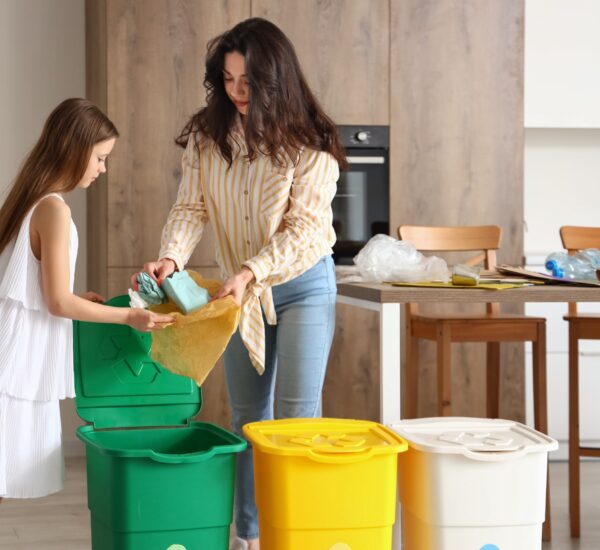
Children can take part when the system feels concrete. Ask them to match items to bins after lunch or flatten small boxes after deliveries. Kids learn faster when the habit has a physical action attached to it. A clean can in the bin teaches more than another speech about saving the planet.
Sort Smarter Before Items Reach the Bin
Clean recycling starts before anything drops into the container. The moment you finish a product, you decide whether that item becomes useful material or a problem for the local facility. That decision usually takes less than ten seconds, which is why it is worth getting right. A quick rinse, a removed food liner, or a flattened box can make the difference between a smooth pickup and a contaminated load.
Recycling bins should never become wish bins
Wish-cycling sounds harmless, but it creates real trouble. People toss in odd plastics, broken hangers, tangled cords, foam packaging, or greasy containers because they hope someone down the line can sort it out. That hope often makes the whole process harder.
Recycling facilities are built for certain materials, not every object with a symbol on it. A plastic number stamped on a container does not guarantee your local program accepts it. Many U.S. cities handle bottles, jugs, cans, cardboard, and paper well, but rules for tubs, clamshells, cartons, and glass can change by location.
The safer habit is to check once, then repeat the rule. Your city or county waste website usually lists what belongs in curbside pickup. Save that page on your phone or print the accepted-items guide for the kitchen. Guessing feels faster until it causes a messy bin that no one wants to touch.
Eco-friendly habits depend on clean containers
Food residue causes more damage than people expect. A peanut butter jar with thick leftovers, a soda bottle with liquid inside, or a takeout tray coated in sauce can spread grime across clean paper and cardboard. Once paper absorbs grease or food, it often loses its value as recyclable material.
Rinsing does not need to become a water-wasting ritual. A quick swish with leftover dishwater is enough for many containers. Empty the liquid, scrape out heavy food, and let the item dry before it hits the bin. Clean enough is the target, not museum-grade spotless.
Greasy pizza boxes deserve special attention because they confuse almost everyone. Clean cardboard portions can often be recycled if your local program allows it, while the oily section may belong in compost or trash. Tear the box if needed. One smart tear beats tossing the whole thing into the wrong place.
Cut Waste Before Recycling Has to Work So Hard
The cleanest item is the one you never have to throw away. Recycling has value, but it should not become a permission slip for endless packaging. American households face a flood of shipping boxes, single-use containers, plastic wrap, product refills, and impulse purchases. The sharper habit is to reduce the pile before the bin gets involved.
Choose packaging with the end in mind
Shopping decisions shape your trash before you bring anything home. A large recyclable detergent jug may be easier to handle than a pouch made from mixed layers. A cardboard cereal box may be simpler than a snack pack wrapped inside more plastic. Every package has an afterlife, and that afterlife belongs in your kitchen, garage, or curbside bin.
Online shopping adds another layer. Delivery boxes, air pillows, padded envelopes, labels, and tape can create a weekly mountain in busy homes. Break down boxes right away, remove non-paper fillers, and keep a flat cardboard zone so packages do not become clutter. One box left whole invites five more.
Buying in larger sizes can reduce household waste when the product gets used before it expires. That works for laundry soap, rice, oats, pet food, and cleaning refills in many homes. It does not work when bulk buying turns into spoiled food or forgotten products. Less packaging only helps when the purchase matches how your household lives.
Reuse should come before the recycling truck
Some items deserve a second job before they leave the house. Glass jars can hold screws, craft supplies, dry beans, or homemade dressing. Shipping boxes can store seasonal decorations or school papers. Brown paper can protect floors during small paint projects or wrap fragile items for storage.
Reuse is not about hoarding. That line matters. Keeping twenty jars “for later” can turn a clean habit into a clutter problem. Pick a small shelf, drawer, or bin for reusable items. When that space fills, the extra items move out through recycling, donation, or trash.
A smart reuse rule keeps your home from becoming a storage unit for good intentions. Keep what you will use within a month or what serves a clear purpose. Release the rest. Clean living has no room for guilt piles dressed up as sustainability.
Make Cleaner Habits Stick Without Turning Them Into a Project
The best systems survive busy weeks, not only motivated Mondays. A home can recycle well through school mornings, late shifts, holiday dinners, and messy weekends when the system is easy to reset. Cleaner habits need friction removed, not more speeches added. Once the process feels normal, people stop debating every item and start moving through the routine with confidence.
Make the weekly reset part of your rhythm
A bin can look fine on the outside while becoming chaotic inside. Once a week, take two minutes to check for plastic bags, food-covered containers, odd packaging, and items your local program does not accept. This small reset keeps one mistake from spreading into a full-bin problem.
Tie the check to an existing routine. Do it the night before pickup, after grocery unloading, or when you take out kitchen trash. Habits stick better when they attach to something already happening. A calendar reminder can help for the first month, but the goal is for the rhythm to feel automatic.
Apartment and condo residents face a different challenge because shared recycling bins can get messy fast. In that case, focus on what leaves your unit. Keep your personal bag or bin clean, empty items loose into the shared container if required, and avoid adding questionable materials. You cannot control every neighbor, but you can stop your own load from adding to the problem.
Teach eco-friendly habits through visible wins
People keep doing what they can see working. If your family notices the trash bag fills slower, the garage looks cleaner, or pickup day feels easier, the habit gains its own reward. That visible progress matters more than abstract talk about global waste.
Make the win concrete. Tell the household when you cut trash from three bags a week to two. Point out when the cardboard pile stays flat instead of spilling across the floor. Mention when the kitchen smells cleaner because containers get rinsed before sitting in the bin. Small proof builds trust.
The counterintuitive part is that a better recycling system may lead to less recycling over time. Once you see how much packaging moves through your home, you start buying differently. That is the deeper win. Recycling becomes the mirror that shows where cleaner choices can begin earlier.
Conclusion
Cleaner home habits do not come from trying to become the most eco-conscious household on the block. They come from building a system that works when life is crowded, dinner is late, and someone forgot to rinse the pasta jar. The point is not perfection. The point is fewer careless tosses, fewer contaminated bins, and fewer products entering your home without a plan for where they go next. Recycling tips only matter when they turn into ordinary behavior: a bin in the right place, a quick rinse, a flattened box, a checked local rule, a smarter purchase. Start with one room this week, fix the spot where waste piles up fastest, and make that area easier to sort before pickup day arrives. A cleaner home does not begin at the curb; it begins at the exact moment you decide the trash can is no longer the default.
Frequently Asked Questions
What are the best home recycling tips for beginners?
Start with the items your local program clearly accepts, such as clean paper, cardboard, metal cans, and approved plastic bottles or jugs. Keep items empty, clean, and loose. Place bins where waste appears most often so the habit fits your daily routine.
How can I reduce household waste without spending more money?
Buy fewer overpackaged items, reuse containers you already own, avoid single-use products when a durable option works, and plan meals before shopping. The biggest savings often come from preventing food waste, because spoiled groceries cost more than most people notice.
What should not go in recycling bins at home?
Plastic bags, greasy food containers, cords, batteries, foam packaging, dirty paper, and broken household items often cause problems in curbside bins. Local rules vary, so check your city or county guide before adding anything questionable.
How do eco-friendly habits help keep a cleaner home?
They reduce clutter, odors, and trash overflow by giving items a clear place to go. When containers are rinsed, boxes are flattened, and reusable items have limits, your home feels easier to manage without adding a complicated routine.
How often should I clean my recycling bins?
A quick wipe every week helps prevent odors, spills, and sticky residue. A deeper wash once a month works well for most households, especially in warm weather. Let bins dry before adding paper or cardboard so materials stay clean.
What is the easiest way to teach kids about home recycling?
Give children simple sorting jobs with clear examples. Let them place clean cans, paper, or boxes into the correct bin. Kids learn faster when they can touch, sort, and repeat the habit instead of hearing long explanations.
Are pizza boxes recyclable in the United States?
Clean parts of pizza boxes are often accepted, but greasy sections may not be. Tear off the clean lid or edges if your local program allows cardboard recycling. Food-soaked cardboard usually belongs in compost or trash, depending on local options.
How can I recycle more when my apartment has limited space?
Use a slim bin, paper bag, or stackable container near the kitchen. Flatten boxes right away and take recyclables to the shared area more often instead of waiting for a pile. Small spaces need frequent resets, not larger containers.