
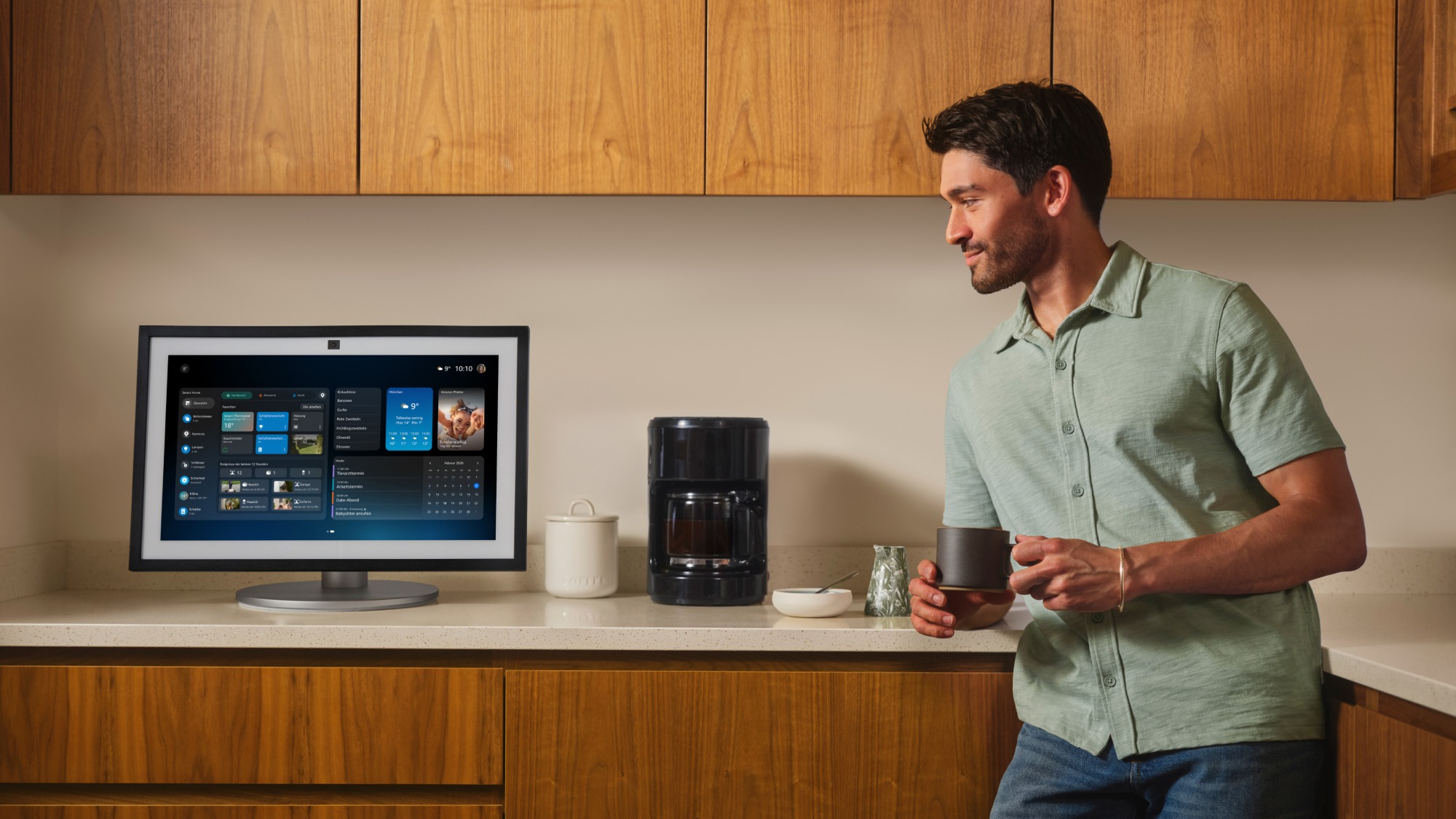
The old smart speaker bargain was simple: say the right phrase, get the right response, move on. Amazon Echo now sits at a different point in that story, because fully conversational AI changes what people expect from a speaker on the counter. A device that once handled timers, weather, and music is being pushed toward a deeper role: remembering context, handling follow-up questions, and helping you manage small household decisions without making every request sound like a command. That matters for busy U.S. homes where smart speakers often live in kitchens, bedrooms, apartments, dorm rooms, and family rooms. It also matters because Americans have learned to be skeptical of gadget hype. A new voice assistant has to save time without becoming another thing to manage. For readers tracking product shifts through consumer tech coverage, the key question is not whether the new Echo sounds smarter. It is whether an Alexa+ smart speaker can become useful enough to earn a permanent place in daily life.
Why Amazon Echo Is Becoming a Household Conversation Layer
The biggest shift is not that the speaker can answer longer questions. Phones, browsers, and chatbots already do that. The harder trick is bringing a conversational AI assistant into a room where people are cooking, arguing over homework, folding laundry, or rushing out the door. Voice has no keyboard to clean up messy thoughts. It has to catch meaning while life is happening.
The shift from short commands to memory-shaped help
The old voice assistant trained people to speak like they were labeling a drawer. “Set timer.” “Play jazz.” “Turn off lamp.” That worked, but it also taught users not to expect much. The minute a request had context, the whole thing could fall apart.
A fully conversational system changes the mood. You might ask for a dinner idea, reject it because your kid hates mushrooms, then ask for a grocery list that fits what is already in the fridge. The device has to carry the thread. That is not a party trick. It is the difference between a speaker that answers and a helper that follows along.
The non-obvious part is that memory can make short tasks feel lighter, not longer. A good answer is not always a paragraph. Sometimes the smartest response is a two-second correction because the assistant already understood the situation. That is where a conversational AI assistant may fit better in the home than on a laptop screen.
Why the kitchen is the hardest test
The kitchen exposes weak voice design fast. Hands are wet. Kids interrupt. A pan is hissing. Someone asks where the measuring cups went. A smart display can show a recipe, but the real test is whether it can recover when you say, “Wait, make that for four, and skip dairy.”
For many American households, this is where smart home devices either prove their worth or become background decor. A speaker that can adjust a recipe, restart a timer, add paper towels to a shopping list, and lower the thermostat during dinner prep feels useful because those jobs arrive together.
The tension is patience. People will forgive a phone app that needs taps. They are less forgiving when a voice assistant misunderstands them in front of the whole room. The new Echo has to make conversation feel normal, not theatrical. That means fewer speeches, better follow-up, and answers that respect the chaos around it.
The Hardware Change Behind a More Natural Alexa
Better AI is not only a cloud story. The room matters. Distance matters. Background noise matters. A speaker in a quiet office has an easy job. A speaker near a dishwasher, TV, dog, and blender has to work harder before the assistant can seem smart at all.
How microphones and local sensing shape the answer
A strong microphone array can change the whole experience. When a speaker hears you correctly from across the room, the assistant feels calmer. When it misses the wake word twice, even a brilliant model behind it feels broken. That is why hardware upgrades matter more than many shoppers think.
Amazon has described its newer Echo lineup as built around custom silicon and sensor systems made for Alexa+ experiences, with stronger processing and more room-aware behavior. Readers who want the official product framing can check Amazon’s Alexa+ announcement. The point for buyers is simple: conversational AI needs better ears before it needs longer answers.
There is also a quiet privacy angle here. More local processing can reduce the need to send every small signal away from the device, though cloud systems still play a major role. The best home AI will not be the one that talks the most. It will be the one that knows when not to send you through another loop.
Why sound quality matters for trust
Audio quality sounds like a separate feature until you live with the device. A thin speaker can make an assistant feel cheap, even when the software is strong. A fuller speaker earns more use because people keep it active for music, podcasts, news, and family calls.
This matters for the Alexa+ smart speaker because daily use builds trust. If the device is already playing music during breakfast, you are more likely to ask it about traffic, a school reminder, or whether the porch light is still on. The assistant becomes part of the room before it becomes part of the schedule.
A counterintuitive point: better sound may matter as much for AI adoption as better answers. People do not build habits around features they rarely touch. They build habits around objects that already make the room feel better.
What It Means for Daily Life in American Homes
A smarter speaker will not change every home in the same way. A parent in Phoenix, a renter in Brooklyn, and a retiree in Ohio will use it differently. The common thread is friction. Most households do not need more apps. They need fewer tiny decisions scattered through the day.
Routines that react before you ask
The strongest smart home devices are not the ones with the longest feature lists. They are the ones that remove repeat work. Lights that dim at night. A thermostat that adjusts before bedtime. A reminder that pops up because someone has walked into the kitchen before school.
This is where a conversational AI assistant can move beyond commands. You might say, “Make weekday mornings less noisy,” and the assistant could help shape a routine that lowers music volume, turns on lights in stages, and reads only the weather and calendar items that matter. That feels different from building a rule one toggle at a time.
The risk is overreach. A home assistant that acts before being asked can feel helpful on Monday and annoying by Friday. The device needs clear boundaries, simple undo options, and plain language settings. Smart should never mean mysterious. For readers planning a connected setup, a smart home setup guide can help map which jobs deserve automation and which ones should stay manual.
Where privacy must earn its place
The living room is not a lab. People talk about money, health, relationships, work, and family plans near these devices. Any AI assistant that lives in the home has to earn trust through controls that normal people can find and understand.
Privacy is not only about data policies. It is also about social comfort. Can a guest tell when the device is listening? Can a parent mute it fast? Can a roommate stop personalized results from crossing into shared space? These questions matter in apartments and multigenerational homes where one speaker may serve five different people.
The non-obvious insight is that privacy can become a selling point, not a drag on adoption. A device that explains itself clearly may feel more advanced than one that acts silent and vague. Confidence grows when users know what happened and how to change it.
Buying Advice Before You Upgrade
The upgrade question should start with your current pain, not the product name. A new speaker can be exciting, but it is only worth buying if it solves a real problem in your home. For some people, that problem is weak audio. For others, it is a cluttered smart home, poor voice recognition, or an older device that no longer supports newer AI features.
Who should move to the new Echo lineup
You are the best candidate if your current speaker is old, slow, or placed in a busy room where missed commands happen often. Kitchens, open living rooms, and family spaces benefit most from better microphones, stronger sound, and more room-aware responses. A newer device also makes sense if you already use lights, plugs, cameras, thermostats, or displays.
A U.S. family with school calendars, sports practices, grocery habits, and smart lights may get more value than a single user who mainly asks for weather. The more moving pieces your home has, the more useful a conversational layer becomes.
There is a budget angle too. Replacing every speaker at once is rarely wise. Start with the room where voice control fails most often. If the new device earns its keep there, expand later. That is a cleaner test than buying three speakers and hoping the habit appears.
Who should wait, keep an older speaker, or buy smaller
You should wait if your current speaker handles music, alarms, and basic questions well. A fully conversational assistant sounds attractive, but not every household needs it right away. Early AI features also tend to improve after launch, once real homes expose weird edge cases.
A smaller or cheaper speaker may still be the better pick for bedrooms, kids’ rooms, or rental spaces where you only need alarms and music. A display may be better for recipe-heavy kitchens, video calls, and camera feeds. The right choice depends on the room, not the spec sheet.
A good AI gadget buying guide should push this same idea: buy for the job. The smarter the device gets, the more honest you need to be about where it will sit, who will use it, and what problem it has to solve.
Conclusion
The new Echo story is not only about better voice answers. It is about whether a speaker can become a calmer layer between you and the growing pile of digital chores inside the home. That is a harder job than playing music or reading the weather. It asks the device to hear better, remember more, act with restraint, and explain itself when the stakes feel personal.
Amazon Echo has a strong chance to matter again because the home is one of the few places where voice still makes natural sense. You do not want to open a laptop while chopping onions. You do not want to tap through menus while carrying laundry. You want help that fits the moment.
The best version of this product will not feel like a chatbot trapped in a speaker. It will feel like the house finally understands a little more of what you meant. Buy it when it solves a real room-level problem, not because the phrase AI is printed on the box.
Frequently Asked Questions
What does fully conversational AI mean on a new Echo speaker?
It means the assistant can handle more natural speech, follow-up questions, and requests with context. Instead of forcing you to repeat exact commands, it should better understand what you meant, remember the thread, and help complete tasks across music, schedules, shopping, and connected home controls.
Is the new Echo worth buying for an older smart home setup?
It can be worth it if your older speaker misses commands, responds slowly, or struggles in noisy rooms. Homes with lights, plugs, cameras, thermostats, and family routines will notice the biggest gain. If you only use alarms and music, waiting may make more sense.
Will Alexa+ work with older Echo devices?
Many newer models are expected to support Alexa+ features, while some early devices may stay on the older assistant experience. Compatibility can vary by generation, region, and rollout status, so checking your exact model before upgrading is the safest move.
Does a conversational assistant make smart speakers less private?
It can raise new privacy concerns because longer conversations may involve more personal context. The safer approach is to review voice history settings, mute controls, household profiles, and camera options. A smarter device should still give you clear control over what it hears and stores.
What room is best for a new AI smart speaker?
The kitchen is often the strongest first choice because hands-free help matters there. Recipes, timers, grocery lists, music, calendars, and smart lights all meet in that space. Living rooms also make sense if you use voice control for TV, audio, and connected devices.
Can the new Echo replace a phone-based AI chatbot?
Not fully. A speaker is better for quick, spoken, room-based help. A phone or laptop is better for long writing, private research, visual work, and tasks that need careful editing. The best setup may use both, with each handling different moments.
Should renters buy a smarter Echo device?
Renters can benefit, especially with plug-in lights, smart plugs, and portable speakers that do not require wiring. The main caution is privacy in shared spaces. Use household profiles, mute controls, and simple routines so roommates or guests do not feel watched.
What should buyers check before upgrading?
Check your current device model, Alexa+ availability, room size, audio needs, smart home gear, and privacy controls. Also decide whether you need a screen. A display helps with recipes and cameras, while a speaker-only model may be cleaner for bedrooms and smaller rooms.