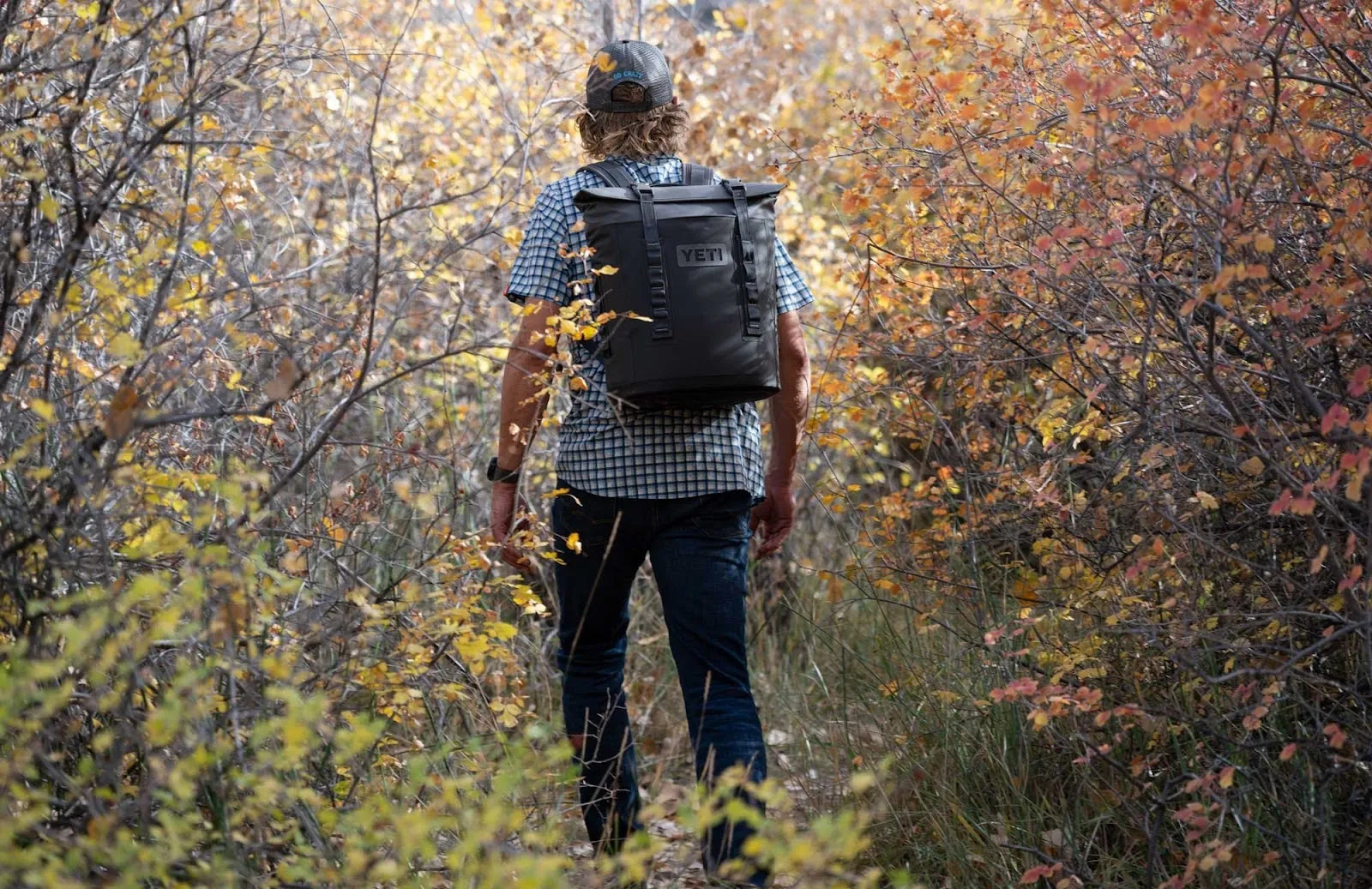
The loudest summer gear usually wins before it reaches the checkout page. The Yeti Cooler rush makes sense because the backpack shape solves a problem that hard boxes never handled well: carrying cold food and drinks while both hands stay free. That matters at youth baseball fields, Texas lake ramps, Florida beaches, Colorado trailheads, and apartment parking lots where the cooler is only useful if you can move it without asking for help. Public company reports do not publish a single-product, single-day record for this style, so the smarter story is demand, not invented numbers. YETI’s own reporting shows its Coolers & Equipment category grew in 2025, with soft coolers and bags named as part of the strength behind that growth. For readers tracking summer gear and retail trends, outdoor product coverage often comes down to one question: does the item fix a real-life annoyance? This one does. It turns the cooler from a car-trunk object into something you can wear.
Why the Yeti Cooler Backpack Shape Fits the Way Americans Pack Now
A backpack cooler is not a tiny version of a hard chest. It changes the job. A hard cooler waits at the campsite, on the boat, or beside the grill. A soft cooler backpack follows you across hot pavement, down a marina dock, into a crowded park, or through a festival gate. That difference is why the shape feels bigger than a normal product update. It matches the way many Americans spend summer now: shorter trips, more local outings, tighter cars, and less patience for hauling awkward gear. It also fits the rise of “half-day” recreation. People may not be camping for three nights, but they still want cold drinks after a pickleball match, sandwiches after a hike, or fruit for kids between games. The cooler has moved from the big-event pile into the weekly errand and outing pile. That creates a different buying mood: less expedition, more Saturday survival, and far less patience for gear that slows the group down.
The appeal starts before the first drink gets cold
The first win is boring, which is why many buyers miss it until they own one. A backpack cooler is easier to leave the house with. That sounds small. It is not.
Think about a Saturday morning in Phoenix or Atlanta. You load the car with folding chairs, sunscreen, towels, a stroller, and a bag of snacks. A hard cooler turns into the one object nobody wants to carry. A soft cooler backpack changes that moment. One person wears the cold stuff while their hands stay open for keys, kids, or a phone.
The Hopper M20 listing says it fits 36 cans or 22 pounds of ice and is built for hands-free carrying, while the smaller M12 listing says it holds up to 20 cans or 12 pounds of ice and fits wine bottles. Those details matter because they place the product between a lunch bag and a tailgate chest. It is not meant to replace every cooler. It is meant to make day trips smoother.
Why hands-free hauling changes the buying decision
The non-obvious point is that people are not only buying cold storage. They are buying fewer trips back to the car. That is the hidden value of a portable cooler bag. It shortens the distance between planning and doing.
At a Little League field in Ohio, you may park six rows away from the bleachers. At a beach access point in North Carolina, the sand may turn a wheeled cooler into a stubborn sled. At a lake house in Missouri, the dock may sit down a long set of stairs. In each case, the product does not win because it looks rugged. It wins because the old solution wastes energy before the fun starts.
That is also why the backpack form can feel more useful in the suburbs than in the backcountry. Marketing often shows wild places, but the repeat use may happen in ordinary American routines: grocery runs in August, pool afternoons, road trips, and Friday-night games. A cooler that earns a spot in those dull moments tends to last in the home. That is where a brand can turn a seasonal product into a habit. The first purchase may come from a beach plan, but the repeat use comes from errands that would never appear in an ad.
The Soft-Sided Cooler Has Become a Daily Item, Not a Camping Item
The old cooler lived in the garage until a long weekend. The newer soft cooler backpack sits closer to the door because it has more small jobs. That shift explains the heat around the category. It also explains why buyers who already own a hard cooler still look at backpack models. They are not duplicating gear. They are filling a gap. The gap is movement. Modern families often split the day between errands, sports, meals, and one quick outdoor stop. A rigid chest can handle cold, but it is clumsy when the plan keeps changing. A wearable soft model handles the messy middle of the day.
The backyard-to-boardwalk test tells the truth
A good cooler is often judged in dramatic settings, but the better test is dull movement. Can you carry it from a third-floor apartment to the car without banging your knee? Can it sit behind the driver’s seat? Can you take it into a hotel room overnight without making it feel like a fishing trip moved indoors?
This is where a backpack cooler earns attention. It can carry lunch, drinks, fruit, and ice packs without demanding its own square of trunk space. A parent in Southern California can pack it for a soccer tournament and still have room for cleats and folding seats. A couple in Chicago can take it to a lakefront picnic without dragging a box through crowds.
The counterintuitive part is that capacity is not always the hero. Too much room can make a cooler worse if it tempts you to overload it. A model you can wear comfortably may get used more than a huge chest that keeps ice longer but stays home. Use beats specs when the day is short.
Cold performance matters, but access matters too
Cold retention still matters. Nobody buys a premium cooler hoping for warm seltzer by noon. YETI describes its soft cooler line around leak resistance, puncture resistance, and insulation meant to hold ice for days, while its backpack models use wide magnetic access so loading does not feel like wrestling a stiff bag.
Yet the access point is almost as important as the insulation. A cooler that is annoying to open will train people to leave it closed, then complain that it is hard to use. A wide mouth helps when you are packing sandwiches, upright bottles, kids’ drinks, and ice. It also helps when you are cleaning it later.
For a practical packing plan, pair blocky items at the bottom with softer food higher up. Cans and ice packs create the cold base. Lunch containers, wraps, and fruit sit above them. That simple order can matter more than buying the largest size. For more planning ideas, a future summer tailgating gear guide could sit beside this article and answer the broader packing question. The best packers also think about what comes out first. Put the first round of drinks near the top, not buried under lunch. That small move cuts open time, keeps cold air inside, and saves everyone from digging through melting ice with wet hands.
Premium Cooler Demand Is About Trust, Not Hype Alone
A premium backpack cooler has to survive more doubt than a cheap one. Buyers ask the obvious question: why pay more? The answer is not only brand status. It is risk reduction. If a cooler leaks in the trunk, splits at a seam, soaks the blanket, or digs into your shoulders after ten minutes, the low price stops feeling smart. That is why this category behaves differently from many impulse buys. The product carries food, ice, and social plans. When it fails, the failure is public. You feel it at the picnic table, in the car, or beside the field. Shoppers know this from past mistakes. A bargain cooler may look fine on a shelf, then sag, sweat, stain, or fight back when loaded. The premium pitch works only because those old annoyances are familiar.
The price only makes sense when the use case is honest
The buyer who uses a cooler twice a year should pause. A cheaper portable cooler bag may be enough for a park lunch or short grocery drive. There is no shame in that. Premium gear should earn its price through repeat use, hard handling, or a clear need for better build quality.
The stronger case appears when the cooler becomes part of your weekly rhythm. A nurse taking cold meals to long shifts, a contractor keeping drinks in a hot truck, a parent moving between games, or an angler walking a riverbank all ask more from the product. In those lives, a failed zipper or leaking seam is not a small flaw. It ruins the day.
YETI’s own investor update helps explain why this segment keeps getting attention. In 2025, the company reported growth in Coolers & Equipment and linked part of that performance to soft coolers, bags, and cargo. That does not prove a daily record for one backpack style, but it does show the category is not a side act inside the brand.
Why brand loyalty gets stronger after the first rough trip
Outdoor gear loyalty often forms after something goes wrong. Rain comes in sideways. A parking lot turns hotter than expected. The ice melts faster than planned. The walk is longer than the map suggested. If the gear holds up during that kind of day, the buyer remembers.
That is where a soft cooler backpack can build trust. It has to touch the body, carry weight, resist leaks, and keep food safe enough for the plan. It is closer to a hiking pack than a storage bin. Straps, balance, and cleanability affect the experience as much as cold time.
The non-obvious insight is that premium buyers may not be chasing luxury. Many are avoiding embarrassment. Nobody wants to be the person whose cooler leaks on a friend’s car floor or whose beach lunch becomes a warm mess. A trusted brand can become a social shield. That feeling is hard to price, but it is easy to understand. It also explains why reviews often focus on small pain points. Buyers remember shoulder comfort, mouth width, and whether the bag stands up while loading because those details decide whether the cooler leaves the house again.
How to Decide If a Backpack Cooler Belongs in Your Summer Setup
The smartest purchase starts with where the cooler will move, not how it looks online. If you mostly host at home, a hard chest may still make more sense. If you walk, climb stairs, park far away, use public spaces, or pack for small groups, the backpack format starts to pull ahead. This is a decision about friction. The more obstacles between your kitchen and your spot, the more a wearable cooler earns its place. The fewer obstacles you have, the more you should care about ice volume, price, and storage space instead. This is why two neighbors can make opposite choices and both be right. The family with a garage fridge and a backyard pool may want a hard chest. The apartment renter who walks to a public park may value shoulder straps more than extra quarts.
Match the size to the trip, not the dream version of the trip
Many people buy for the biggest possible outing. That can backfire. A big cooler sounds safe until you carry it full. A soft cooler backpack should match the trip you take often, not the trip you take once each summer.
For one or two people, the smaller size may be the better daily companion. For family beach days or group lake trips, the larger backpack cooler makes more sense. The key is honesty. If most outings last four to six hours, you may value comfort and quick access more than maximum volume.
A simple rule helps: pack the cooler in your mind before buying it. Count drinks, lunch items, ice or ice packs, and any bottles that need to stand. Then picture the walk from car to spot. If that walk includes sand, stairs, gravel, or a child asking to be carried, the backpack format earns points fast.
Think about parks, beaches, and cleanup before checkout
A cooler does not end its job when the food is gone. You still need to clean it, dry it, store it, and carry out waste. That is where planning separates a good day from a messy one. The National Park Service’s Leave No Trace guidance tells visitors to pack out trash, leftover food, and litter, which makes a contained cooler setup even more useful in shared outdoor spaces. NPS Leave No Trace principles
Keep a small trash bag inside a side pocket or accessory pouch. Bring a cloth for spills. Use sealed containers instead of loose plastic wrap when possible. These little habits keep the backpack clean and make the trip feel controlled.
For shoppers comparing options, the real question is not “Is this the best cooler?” It is “Will I carry it often enough to make the design matter?” That answer depends on your weekends, your car, your climate, and your tolerance for awkward hauling. A future family beach day packing checklist can help buyers turn that answer into a repeatable routine. The right cooler should disappear into the day. You notice it when you pack it, then stop thinking about it until someone wants a cold drink.
Conclusion
The demand around this backpack-style launch is not hard to read. Americans want gear that fits smaller plans, hotter days, packed cars, and busier weekends. A hard cooler still owns the campsite and the long tailgate, but a wearable soft model wins the spaces between: the walk from the lot, the climb down to the dock, the quick run to the park, the grocery stop before a road trip.
That is why the Yeti Cooler moment feels less like a fad and more like a correction. The old cooler asked people to plan around the box. The new shape bends around the day. It gives buyers a cleaner answer to a common summer problem: how to bring cold food and drinks without turning the carry into work.
The best move is to buy based on movement, not mood. Picture the trips you take most, the people you pack for, and the distance you carry from car to shade. Choose the size that fits that life, then use it hard enough to prove the purchase.
Frequently Asked Questions
Is a backpack cooler worth it for everyday summer use?
Yes, if you often walk from the car to parks, beaches, fields, docks, or apartments. The value comes from easier carrying, not only cold storage. For short trips with two to four people, it may get more use than a larger hard chest.
What size soft cooler backpack should most families choose?
Most families should choose based on the normal outing, not the largest one. A smaller model works for snacks and drinks for a few hours. A larger model fits longer beach days, lake trips, and group events, but it gets heavy when packed full.
Does a backpack cooler replace a hard cooler?
No, it usually works beside one. A hard cooler is better for camping, long tailgates, and heavy ice loads. A backpack model is better for movement, stairs, sand, crowded parks, and short outings where comfort matters more than maximum storage.
How do you pack a portable cooler bag for better cold hold?
Start with cold items, not room-temperature drinks. Put ice packs or ice near the bottom, then add cans, sealed food containers, and softer items near the top. Open it less often, keep it shaded, and drain only when needed for your setup.
Is the backpack style good for beach trips?
Yes, especially when the walk includes loose sand. Wheels can drag and hard handles can tire your arms. A backpack cooler keeps weight on your shoulders, leaves your hands open, and makes it easier to carry towels, chairs, or kids’ items.
What should you clean first after using a soft cooler backpack?
Empty melted ice, remove food scraps, and wipe sticky spots first. Then wash the inside with mild soap and water, rinse, and let it dry open. Drying matters because trapped moisture can create odors even when the cooler looks clean.
Is a premium backpack cooler better than a cheaper one?
It depends on use. Premium models make sense for frequent trips, heat, heavier loads, or leak concerns. A cheaper one may be fine for rare picnics. The better buy is the one that matches how often you carry it and how rough the trips get.
Can you use a backpack cooler for grocery runs?
Yes, it works well for cold groceries during hot months, especially for apartments or longer walks from parking lots. It can protect meat, frozen items, dairy, and drinks on the ride home. Keep it clean between food trips and outdoor use.