
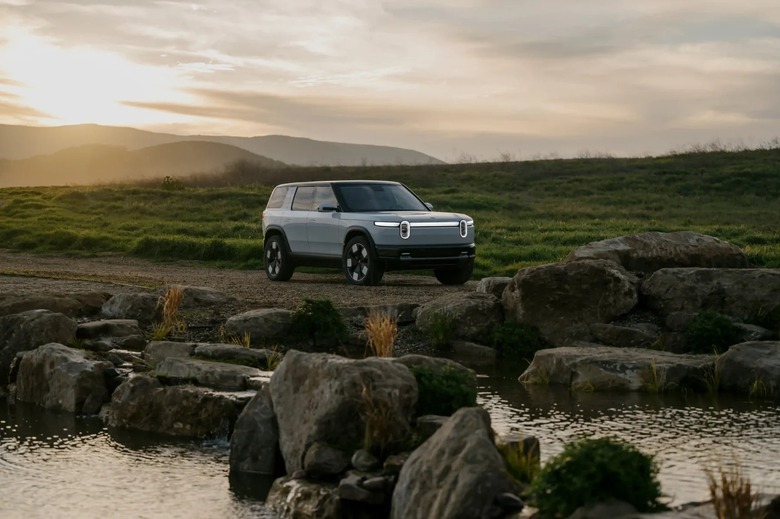
Hot EV launches usually create a burst of noise, then the market gets sober when delivery calendars appear. This launch already feels different because demand is colliding with a careful factory ramp, not a full-speed retail flood. For U.S. drivers watching Rivian R2 reservation numbers, the useful question is not “how many people clicked reserve?” It is “how long before a normal buyer can get the version they actually want?” That is why U.S. auto market coverage matters here. The story is less about a bragging-rights queue and more about timing, trim choice, price patience, and whether Rivian can turn early interest into repeatable delivery wins. Electric SUV reservations are easy to place when the deposit feels low-risk. Building the vehicle at pace is the harder test. If you are comparing this SUV with a Tesla Model Y, Hyundai Ioniq 5, Kia EV9, or a used R1S, the queue should shape your plan before the color choice does.
Why Rivian R2 Demand Became a Production Story
A reservation list can make a company look hot for a week. A factory ramp tells you whether that heat becomes revenue, owner loyalty, and street-level trust. R2 sits in the exact place where American car buyers pay attention: smaller than an R1S, more approachable in price, still tied to the outdoor image that made Rivian feel different from the usual EV pitch. The tension is plain. R2 production capacity starts with a narrow early flow while shoppers are already thinking about road trips, leases ending, home chargers, tax math, and school pickup duty. The product may be new, but the buyer questions are not. People want to know whether the promise fits an ordinary Tuesday.
The queue tells buyers more than the teaser video did
The first wave of interest says something real. People do not reserve a vehicle only because they like a shape on a screen. They reserve because the product solves a frustration they already feel. For many U.S. buyers, that frustration is simple: they want an electric SUV that is not huge, not dull, and not priced like a luxury experiment.
That is why electric SUV reservations can act like a mood check. A buyer in Denver may see it as a mountain-weekend car. A parent in Austin may see a smaller family EV with space for sports gear. A renter in Los Angeles may not even have home charging yet, but may still want a place in line because the lower trims are not first in the launch order.
The counterintuitive part is that a long queue can help cautious buyers. It gives them time. More early owners will post range notes, charging stops, service stories, tire wear, and cabin complaints before later reservation holders must decide. The person who waits six extra months may avoid the first-owner guessing game.
A small first year can make a large list feel larger
Factory math changes the emotional meaning of a reservation. Ten thousand people waiting for a vehicle sounds large. Ten thousand people waiting for a product that can be built in huge volume may not feel painful. But when early-year output is measured against a slow ramp, even a modest backlog feels intense.
R2 production capacity matters because Rivian is not selling a phone case or a pair of shoes. It has to manage suppliers, battery packs, service centers, delivery slots, software checks, and quality control. A delay in one part can ripple across thousands of handoffs. That is not an excuse. It is the business.
There is a useful lesson from the first Tesla Model 3 years. The order list became part of the product experience. Buyers traded screenshots, delivery guesses, and trim rumors. Rivian now faces a cleaner but similar test: keep the excitement alive without letting silence turn into doubt. The winning move is not hype. It is steady communication that helps buyers make grown-up plans.
What the Launch Mix Says About Real Availability
Once a hot model moves from reveal stage to order stage, the trim ladder becomes the hidden story. The version that appears first is often not the one most shoppers had in mind when they placed the deposit. That does not mean the company tricked anyone. It means launch economics and buyer hopes rarely move at the same speed. Rivian’s early order path makes that clear, with the Performance launch version arriving before the more affordable trims listed in the official order launch details. That order of arrival matters because it splits the audience into two groups: buyers who can stretch for speed, and buyers who reserved because the later price range finally made the brand feel reachable.
Early buyers are choosing timing as much as trim
The first buyers are not only buying an SUV. They are buying time. If the launch version costs more and arrives sooner, the decision becomes personal fast. Do you want the vehicle this year, or do you want the price point that made you reserve in the first place?
That question hits hardest for households with lease deadlines. Say a family in New Jersey has a compact gas SUV coming off lease in November. They may love the idea of R2, but if their invite only covers a higher launch build, the choice becomes messy. Extend the lease, buy something else, or pay more than planned. None of those feels like the clean online order story people enjoy at reveal time.
Here is the quiet insight: early availability can filter the queue without any official pressure. Some people will pass because the first build is outside their budget. Others will wait for a color, wheel, drivetrain, or interior that better fits daily life. So the public reservation count never converts in a straight line. The list bends around real budgets.
The lower-price version may test patience more than loyalty
The lower-price trim is the heart of the larger story. It is the version that pulls shoppers who liked Rivian from a distance but could not make R1 pricing work. It also carries the heaviest expectation. Buyers hear a starting price and build a whole plan around it, even when the first units come in above that number.
That is where loyalty gets tested. A buyer who reserved because they wanted the entry model may wait longer than someone willing to take a higher trim. The company can still keep that buyer happy, but it must treat waiting as part of ownership. Clear trim timing, honest option limits, and plain updates matter more than polished launch clips.
For your own plan, this means the reservation is not the finish line. It is a place marker. Before you count on the lower-price model, map out insurance, charging access, state fees, tire cost, and your backup vehicle plan. A lower sticker can still become expensive if you rush into the wrong setup. The smarter buyer watches the total cost, not the headline price.
There is also a social side to price patience. Early owners get attention, but later buyers often get more choice. They may see more software fixes, more color options, and a clearer read on service quality. Waiting can feel like losing status in a forum thread. In real life, it can be the cheaper and calmer move.
Why U.S. Shoppers Are Treating the Queue Like a Market Signal
A crowded queue does more than flatter Rivian. It sends a message across the U.S. EV market. Shoppers are not tired of electric vehicles. They are tired of awkward choices. Too many EVs ask buyers to accept odd styling, strange controls, high prices, or poor road-trip confidence. R2 has attention because it feels closer to what many Americans already buy: a midsize SUV with enough range, a useful cabin, and a brand that still feels young. That is why electric SUV reservations are now being read like an early vote on what the next mainstream EV buyer wants. The signal is not only demand. It is demand for less weirdness.
The Model Y shadow matters, but not the way people think
Every new midsize electric SUV gets compared with the Model Y. That is fair, but it can also flatten the story. Tesla’s strength is not only range or price. It is familiarity. People know the charging network, the screen-first cabin, the buying process, and the resale conversation. Even critics know what they are criticizing.
Rivian’s challenge is different. It must make people feel that a smaller adventure SUV can be a normal family car, not a weekend identity badge. That means cup holders, child seats, Costco runs, winter range, and service visits matter as much as launch colors. A buyer in suburban Chicago does not want a brand story during a February commute. They want heat, grip, and confidence.
The non-obvious upside for Rivian is that it does not need to beat Tesla at being Tesla. It needs to win buyers who want a warmer, more outdoorsy, less common EV experience. If R2 feels sturdy without feeling oversized, it can pull shoppers who respect Tesla but do not want one in their driveway.
This also explains why the queue carries weight beyond one brand. If buyers wait for this vehicle instead of grabbing a discounted rival, it tells automakers that character still matters. Range and price get people to compare. A cabin that feels useful, a shape that feels personal, and a brand voice that does not sound copied can keep them waiting.
Dealers are missing from the drama, and that changes behavior
Direct ordering changes how people read demand. In a dealer model, a hot SUV can become a local markup story overnight. Buyers call five stores, compare add-ons, and wonder whether the price is real. With Rivian, the drama shifts from haggling to queue position.
That makes the EV waitlist feel cleaner, but not always less stressful. You may avoid a dealer markup and still face uncertainty about timing. You may get a clear order page and still wonder whether your preferred build will open before your current car becomes a problem. Digital retail removes one kind of friction and creates another: inbox watching.
This is why content around EV buying checklist topics matters for buyers before the invite comes. You need to know your must-haves early. All-wheel drive may matter in Montana. A spare tire may matter in rural Arizona. Home charging may matter more than a faster 0–60 time in almost every suburb. The queue rewards people who know what they will not compromise on.
The absence of a dealer lot also changes the test drive. You may not have five versions lined up within twenty miles. Your first real seat time could come after you have already invested months of attention. That makes owner videos useful, but it also makes them dangerous. Someone else’s highway loop is not your commute, your garage, or your family’s packing style.
How to Read Your Place in Line Without Getting Burned
The hardest part of a reservation is the mental math. You start with hope, add forum rumors, subtract official silence, then multiply by impatience. That equation makes people act badly. They overpay for early access, sell a car too soon, or convince themselves that a deposit is the same as a delivery window. A calmer plan protects you from all of that. It also helps you see R2 production capacity as a business limit, not a personal insult. The factory does not know your summer trip is coming. Your plan should.
A reservation is not a delivery date
A reservation means the company knows you are interested. It does not mean your driveway has a clock running over it. Your location, trim choice, color preference, drivetrain, owner status, and delivery network can all shape timing. Two people who reserved on the same day may not see the same path.
This matters because car ownership is full of deadlines. Leases end. Kids outgrow back seats. Repairs appear at the wrong time. If you treat the reservation as a firm promise, you may trap yourself. A driver in Phoenix with an aging crossover should not skip needed maintenance because they hope an invite appears soon. Hope does not replace brakes.
The better move is to build a three-window plan. First, the dream window: when you would love to take delivery. Second, the workable window: when the timing still fits your budget and life. Third, the walk-away window: when waiting starts costing more than switching. That simple frame can keep the EV waitlist from running your household.
The smart move is planning around tradeoffs
Tradeoffs are easier when you name them early. If range matters most, do not let a color pull you into the wrong build. If price matters most, do not let launch photos push you toward a trim that strains your monthly budget. If timing matters most, accept that you may take fewer options or spend more.
Charging is the best example. Many buyers obsess over delivery timing before they solve home power. A garage outlet, a panel upgrade, or a Level 2 charger quote can change the whole ownership feel. Read a home charging guide for new EV owners before your invite, not after. The least glamorous prep often saves the most stress.
There is one more practical point. Keep your current car flexible. Do not sell early unless you can live without it. Do not buy accessories for a vehicle you have not configured. Do not assume the first reviews answer your use case. The buyer who stays boring for a few months often ends up happier. Boring is underrated when thousands of people are trying to get the same SUV.
The same thinking applies to financing. Get a credit-union quote, check insurance on a similar EV, and price winter tires if you live where snow hangs around. The reservation may feel digital and light. Ownership is physical and local.
A good reservation strategy feels almost dull. Keep the deposit if it makes sense. Keep shopping if the market changes. Keep your budget written down. The moment an invite arrives, excitement will try to make the decision for you. Let the spreadsheet speak first.
Conclusion
The strongest story here is not a victory lap. It is a stress test. Rivian R2 demand is proving that the next phase of EV growth will be won by companies that can match desire with delivery, price with trust, and software promise with daily usefulness. A packed reservation book looks great on launch week, but owners remember the handoff, the service call, the charging stop, and the payment due every month. For U.S. buyers, the best response is not panic or blind loyalty. Keep your reservation if the vehicle fits your life, but make the deposit serve your plan rather than control it. Watch trim timing, protect your budget, solve charging early, and treat every invite as a decision point. If Rivian keeps communication plain and production steady, the wait may feel earned. If not, shoppers have choices. That discipline matters because a car purchase should lower stress, not become a hobby built around checking email. Stay patient, stay sharp, and buy the SUV that fits your real week.
Frequently Asked Questions
How long could an R2 reservation holder wait in the United States?
Timing depends on trim, location, configuration, and invite order. Early buyers willing to take launch builds may move faster, while shoppers waiting for lower-price trims could wait longer. The safest plan is to keep your current vehicle usable until you receive a confirmed order path.
Is the reservation worth keeping if I want the lower-price trim?
Yes, if the SUV fits your needs and the deposit does not strain your budget. The lower-price trim may attract the broadest group of buyers, so patience matters. Keep the spot, but compare other EVs before your invite arrives.
Does a reservation guarantee a specific R2 price?
No. A reservation shows interest and may preserve priority, but pricing and configurations can depend on the order stage. Treat the listed trim prices as planning guides until your order is confirmed and the final configuration is shown.
What should current EV lease holders do before their invite arrives?
Check your lease-end date, extension options, mileage limit, and buyout number now. A short extension may be cheaper than rushing into the wrong trim. Also confirm home charging plans before you depend on a new electric SUV for daily use.
Will the first-year build limit affect used EV prices?
It could support demand for clean used EVs if shoppers need a bridge vehicle while waiting. Still, used prices depend on interest rates, incentives, battery health, and local supply. Do not buy a temporary EV unless the numbers work without a fast resale.
Is the R2 a good choice for families?
It may be, especially for families that want a smaller electric SUV with flexible space and outdoor-friendly design. The best answer depends on car seats, cargo needs, commute distance, and charging access. Test the cabin before making it your main family car.
Can I switch trims after getting an order invite?
You may have options, but availability can change by trim, color, drivetrain, and timing. Waiting for a different build could keep your place active while pushing delivery later. Read each invite carefully before locking a configuration.
Should I reserve now or wait for owner reviews?
Reserve now if you want a place in line and the deposit feels low-risk. Wait for owner reviews if you dislike uncertainty or need exact answers on range, service, and comfort. The best choice depends on how soon you need a vehicle.