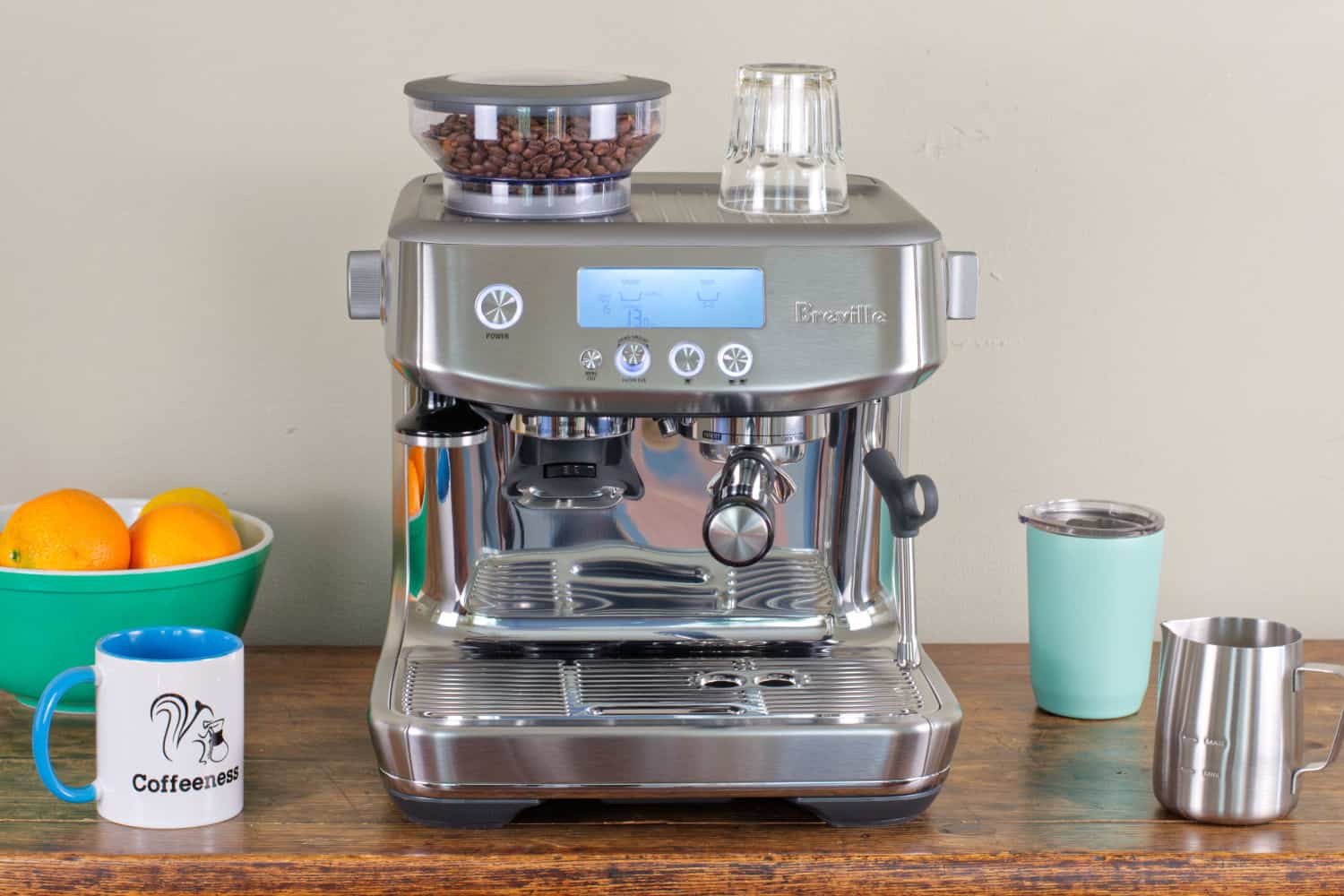
The best kitchen products do not win because they look impressive on a counter. They win because people keep using them after the new-toy feeling fades. For many U.S. buyers, the home coffee maker conversation keeps circling back to the Breville Barista Pro because it sits in a rare middle lane: serious enough to teach you espresso, but not so demanding that it turns Tuesday morning into a science project. Breville lists the Barista Pro with a ThermoJet heating system, a 3-second heat-up time, an integrated conical burr grinder, 30 grind settings, low-pressure pre-infusion, and 9-bar extraction after pre-infusion.
That mix matters. A separate grinder, scale, kettle, and manual machine can make beautiful coffee, but most Americans are trying to get out the door. The Barista Pro understands that tension. It gives you enough control to improve, enough guidance to avoid panic, and enough speed to make the habit stick. For readers comparing a Breville espresso machine against pod machines, drip brewers, or café runs, the real question is not whether this machine can make espresso. It can. The better question is whether you want coffee as a button press, or as a small craft you can actually fit into daily life.
Why This Home Coffee Maker Keeps Winning American Kitchens
A product can be “best” for the wrong reason. Sometimes it wins because it has the most settings, the tallest spec sheet, or the loudest fan base. The Barista Pro keeps earning attention for a quieter reason: it removes enough friction to welcome beginners, while leaving enough room for taste to grow. That is a harder trick than it sounds. It is also why the machine has stayed relevant while newer, smarter, and flashier competitors fight for the same counter space.
The win is not one feature; it is the morning flow
A normal weekday coffee routine has no patience for drama. You walk into the kitchen half-awake, maybe with a dog barking near the back door, a kid asking where their shoes went, or a phone already buzzing from work. In that moment, a machine that heats fast is not a luxury detail. It changes whether you make coffee or give up and leave early.
The Barista Pro’s appeal starts there. Breville says the ThermoJet system reaches extraction temperature in 3 seconds, which makes the machine feel ready before you have finished choosing a mug. That speed does not make the espresso better by itself. It makes the routine easier to repeat. And repeated routines are where a home espresso setup either becomes part of your life or becomes an expensive appliance you dust around.
The non-obvious part is that speed can make people more patient. When the machine is ready fast, you are less annoyed by the slower parts that matter, like weighing beans, adjusting grind, or steaming milk with care. A slow warm-up makes every small step feel like another delay. A fast start gives the user more emotional room to learn.
Why “best” depends on the buyer, not the trophy
Current review pages do not all crown the same winner. Tom’s Guide, for example, calls the De’Longhi La Specialista Touch the best espresso machine for most people in its 2026 guide, while Serious Eats highlights the Barista Pro for buyers who want some control without too much complexity. That disagreement is useful. It proves the category has moved past one-size-fits-all advice.
For the American buyer, the Barista Pro makes the most sense when the goal is not total automation. A pod machine wins on ease. A superautomatic machine wins on low effort. A separate grinder and prosumer espresso machine can win on control. The Breville lands between those worlds, which is why it keeps showing up in serious buying conversations.
That middle lane fits a lot of U.S. homes. Think of a couple in Denver who buys beans from a local roaster on Saturday, drinks lattes during the week, and wants better coffee without turning the kitchen into a café station. They do not need a machine that hides every decision. They need one that makes decisions easier to understand. That is where this model still feels sharp.
The Real Breville Advantage Is Control Without Chaos
The Barista Pro does not turn you into a barista. No machine does that. What it does well is show you the moving parts without burying you under them. Grind size, dose, shot time, texture, and temperature stop feeling like secret café language. You begin to see cause and effect. That learning curve matters because espresso is not a single recipe. It changes with beans, weather, roast age, and your own taste.
A grinder that removes one purchase but not all judgment
A built-in grinder espresso machine sounds like the easy answer: buy one box, plug it in, and skip the separate grinder hunt. In practice, the built-in grinder does something better. It gives beginners fewer buying decisions while still making them think about grind. Breville lists the Barista Pro with hardened steel precision conical burrs and 30 grind settings, which gives users enough range to respond when shots run too fast or too slow.
That matters because grind is where espresso usually starts going wrong. If the coffee tastes thin and sour, the shot may be running too fast. If it tastes harsh and heavy, the grind may be too fine or the shot may have gone too long. A beginner does not need to know every theory on day one. They need a machine that makes the next adjustment visible.
Here is the catch. The grinder being inside the machine does not make it magic. You still need fresh beans, a steady dose, and a clean burr path. The counterintuitive truth is that an all-in-one machine can teach better habits than a fully automatic machine because it refuses to hide the messy middle. You still participate. That is the point.
Fast heat changes morning behavior more than people expect
Coffee people love to argue about pressure, baskets, burrs, and milk texture. Those details count. Still, the feature that may change daily behavior most is heat-up speed. A machine that asks you to wait can lose the morning before extraction begins. The Barista Pro’s fast start is one reason it fits busy kitchens where coffee has to happen between breakfast, email, and a commute.
A buyer in a small Chicago apartment may not care about every espresso variable at first. They care that the machine does not slow down the whole counter. They care that the grinder is attached, the display is readable, and the workflow does not need three separate zones. In that kind of home espresso setup, less wandering around the kitchen means more consistent coffee.
The deeper advantage is mental. When a machine feels ready, you act with more focus. You purge the group head, grind, tamp, pull, and taste. Over time, that rhythm becomes muscle memory. Good machines do not remove effort. They make the right effort feel natural.
What The Barista Pro Gets Right For Daily Milk Drinks
A lot of espresso machine reviews focus on straight shots, and they should. Bad espresso cannot hide forever under milk. But in real American kitchens, milk drinks drive the habit. Lattes, cappuccinos, flat whites, iced lattes, and cortados are what many buyers make five or six days a week. The Barista Pro wins loyalty when it turns that daily drink from a café purchase into a repeatable kitchen ritual.
Microfoam is where casual buyers become loyal
Milk texture is one of those details people notice before they can name it. Thin foam feels like hot milk with bubbles. Dry foam sits on top like insulation. Good microfoam blends into the espresso and gives a latte that glossy, soft body people associate with a better café. Breville says the Barista Pro uses a manual steam wand designed to create microfoam for latte art.
That manual wand matters. Automatic milk systems are easier, but they can make users passive. With the Barista Pro, you learn the sound of air entering milk. You learn when to lower the pitcher, when to roll the milk, and when the pitcher feels warm enough to stop. The first week may be uneven. The second week gets better. By the third, a morning latte starts to feel personal.
This is where a Breville espresso machine can beat a cheaper brewer in day-to-day value. The win is not only taste. It is the small satisfaction of making something with your hands before the day starts asking for things. That sounds sentimental until you realize habits survive because they feel good.
The counterintuitive reason practice still matters
Many shoppers want a machine that removes mistakes. That wish makes sense, but espresso without mistakes teaches almost nothing. The Barista Pro gives feedback through taste, timing, flow, and texture. A shot that gushes out in 14 seconds tells you something. A bitter cup after a slow pull tells you something else. The machine becomes a teacher because it lets flaws remain visible.
The Specialty Coffee Association’s older espresso definition describes espresso as a small drink made under pressure with clean hot water, a fine grind, and a short brew time, giving users a frame for why timing and flow matter. You do not need to memorize that definition to make better coffee. You need to understand that espresso is sensitive. Tiny changes show up in the cup.
A practical example helps. Say you buy a medium roast from a local roaster in Austin. On Monday, the shot tastes sharp. You grind one notch finer. On Tuesday, the shot slows down and tastes sweeter. By Friday, the beans age a little, and you adjust again. That small loop is the real hobby. The Barista Pro keeps the loop short enough that normal people will stay with it.
Where It Falls Short, And Who Should Skip It
No machine deserves a perfect story. The Barista Pro is strong because it balances control, speed, and an all-in-one design. Those same strengths create its limits. If you know those limits before buying, you are less likely to blame the machine for being what it was designed to be. That honesty matters more than another glowing product paragraph.
Built-in grinder espresso is not the end of upgrade fever
The built-in grinder espresso format saves space and money compared with buying a separate grinder right away. It also locks part of your setup into the machine. Serious Eats points out that buyers who get more serious about espresso may eventually want a machine without a built-in grinder. That is not an insult. It is a sign of where this product sits.
A separate grinder can offer more range, easier upgrades, and better long-term pairing with different machines. If you already own a high-end grinder, the Barista Pro may feel redundant. If you plan to experiment with light roasts, precision baskets, and advanced puck prep, you may outgrow the built-in setup faster than a casual latte drinker would.
The non-obvious insight is that outgrowing a machine does not mean the purchase failed. For many people, this model is the bridge between “I like coffee” and “I understand why my coffee tastes this way.” Bridges are not meant to be mansions. They are meant to get you somewhere.
Small kitchens, budgets, and maintenance tell the truth
The Barista Pro is compact for what it includes, but it is not tiny. It needs space above and around it. You need room to remove the water tank, knock out pucks, handle milk, and wipe the steam wand. A narrow galley kitchen in New York or San Francisco can make even a well-designed machine feel large once cups, beans, towels, and a knock box join the scene.
The price also needs clear thinking. This machine can make financial sense for someone buying $6 lattes several times a week, especially when two adults in the house use it. But it is not a bargain for someone who drinks one occasional weekend cappuccino. In that case, a smaller Breville Bambino paired with a separate entry grinder may make more sense, or a simple drip brewer may be the honest answer.
Maintenance is the final test. You have to empty the drip tray, clean the portafilter, wipe the wand, change water filters, and descale when needed. None of that is shocking, but it is work. A machine that handles fresh grounds and milk will ask for care. If you hate cleaning coffee gear, do not buy based on a fantasy version of yourself. Buy for the person who will be standing in your kitchen on a tired Thursday night.
Conclusion
The Breville Barista Pro keeps earning its place because it respects the way people actually live. It does not ask every buyer to become a café technician, and it does not flatten espresso into a lifeless button press. That middle position is harder to build than it looks. It needs speed, feedback, control, and enough forgiveness to keep beginners from quitting.
That is why the home coffee maker debate keeps circling back to this machine, even as new competitors arrive with brighter screens and heavier automation. The Barista Pro is not perfect, and serious hobbyists may move beyond it. Still, for many U.S. kitchens, it offers the rare mix that matters: better coffee, visible learning, and a routine that can survive real mornings.
Buy it if you want espresso to become a habit, not a weekend stunt. Pair it with fresh beans, clean water, and patience. Then let your taste improve one shot at a time. For more setup help, read our espresso machine buying guide and coffee bar setup ideas, and compare your brewing expectations with the Specialty Coffee Association standards.
Frequently Asked Questions
Is the Breville Barista Pro worth it for beginners?
Yes, if you want to learn espresso instead of pressing one button forever. The display, built-in grinder, and fast heat-up help beginners avoid feeling lost. There is still a learning curve, but it feels manageable with fresh beans and a little patience.
How long does it take to make a latte on the Barista Pro?
Most users can make a latte in a few minutes once they know the routine. Grinding, tamping, pulling the shot, and steaming milk all take practice at first. After a week or two, the process starts to feel smooth and repeatable.
Does the Barista Pro make better coffee than a pod machine?
Yes, it can make richer, fresher, and more personal coffee because it uses freshly ground beans and real espresso extraction. A pod machine is easier and cleaner, but it gives you far less control over flavor, texture, and strength.
What beans work best with the Breville Barista Pro?
Fresh medium or medium-dark beans are the safest starting point. They tend to extract more easily than light roasts and give beginners a better chance at balanced shots. Buy from a local roaster when possible, and avoid oily beans that can clog grinders.
Is the built-in grinder good enough for daily espresso?
Yes, for most daily users it is good enough. The grinder offers enough adjustment for common espresso needs and keeps the setup simple. Serious hobbyists may later want a separate grinder, but beginners and latte drinkers can do well with it.
How often should I clean the Breville Barista Pro?
Wipe the steam wand after every milk drink, empty the drip tray often, and rinse the portafilter after use. Deeper cleaning depends on use and water hardness. Waiting too long can hurt taste, slow performance, and make cleanup harder.
Can the Barista Pro make iced lattes?
Yes. Pull the espresso shot, then pour it over cold milk and ice. Letting the shot cool for a moment can help reduce melting. Stronger shots usually work better because ice and milk soften the flavor fast.
Who should not buy the Breville Barista Pro?
Skip it if you want total automation, hate cleaning coffee gear, or already own a premium grinder. It may also be too much machine for someone who drinks espresso only once in a while. Match the purchase to your real routine.