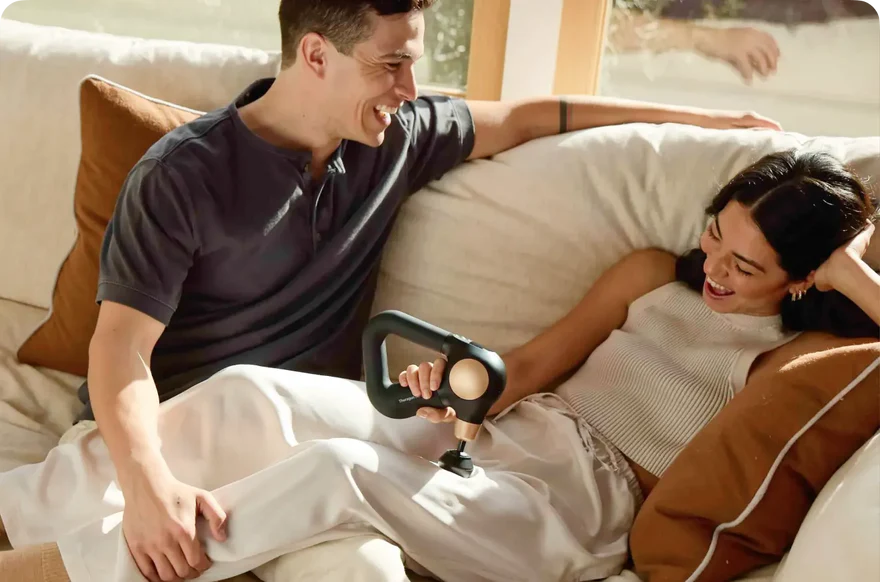
Most recovery gadgets promise relief; this one is trying to remove the guesswork. The Theragun Pro new generation story matters because it shifts the focus from raw massage power to guided recovery that tells you what to do, where to work, and when to back off. For U.S. gym members, runners, weekend pickleball players, nurses, delivery drivers, and parents with sore shoulders, that difference is bigger than it sounds. A strong motor is useful. A smarter plan may be what people use more often. As home wellness tech keeps moving into daily routines, consumer recovery trends are no longer only for athletes with trainers nearby. The appeal is simple: open the app, follow a routine, and treat tight areas without acting like a sports therapist. That does not mean the device replaces medical care or skilled hands. It means the muscle recovery device is becoming more like a coach in your drawer than a tool you forget after two weeks.
Why Theragun Pro Is Now About Coaching, Not Brute Force
For years, massage guns were sold like power tools. More force. Deeper hits. Tougher motors. That pitch worked for serious lifters, but it missed the bigger problem most people face at home: they do not know what their body needs after a hard day, a long run, or a cramped flight. AI recovery guidance changes the sale from “how hard can it hit?” to “can it help you make a better choice?”
AI Recovery Guidance Makes the Device Less Intimidating
The quiet friction with any premium recovery tool is not price alone. It is confidence. A buyer may open the box, try the ball attachment on sore calves, feel some relief, then wonder what to do next. That uncertainty kills habits faster than weak battery life.
AI recovery guidance gives the device a clearer job. Instead of leaving you to guess between a warm-up, cooldown, sleep routine, or sore-back session, the software can point you toward a plan that matches your activity and goals. For a runner in Denver training for a half marathon, that may mean more calf and quad work after hill repeats. For an office worker in Chicago, it may mean neck, traps, and forearms after a screen-heavy week.
The non-obvious win is restraint. Better guidance does not always mean more treatment. Sometimes the smarter answer is a shorter routine, lighter pressure, or a different attachment. That matters because people often assume soreness needs punishment. It usually needs timing, consistency, and a little patience.
Wearable Data Turns Recovery Into a Daily Habit
The muscle recovery device becomes more useful when it connects with the signals people already collect. Many Americans wear an Apple Watch, Garmin, or fitness tracker, but the data often sits there like a scoreboard after the game. Steps, runs, workouts, sleep, and strain are useful only if they lead to a better action.
That is where connected recovery earns attention. A Saturday long run can feed into a Sunday plan. A heavy leg day can shape the next evening’s routine. It feels less like opening a manual and more like getting a nudge from someone who noticed what you did yesterday.
There is a catch. Data can become noise. If the app nags too often, people will ignore it. The best version of AI recovery guidance should feel calm and selective, not like another inbox. Recovery tech works when it lowers the mental load. It fails when it gives you homework.
What the New Recovery Stack Means for Real Bodies
A premium recovery tool is no longer one thing. The latest Therabody flagship combines percussive therapy with heat, vibration, near-infrared light, guided routines, and app control. That sounds like a packed feature list, but the better way to judge it is by use case. Each therapy should answer a different body problem, not decorate the spec sheet.
Percussive Therapy Still Does the Heavy Work
Percussive therapy remains the core reason people buy a device like this. The repeated pulses help target tight muscles, ease tension, and create that loose, worked-on feeling many people chase after training. You feel it fast. That is why massage guns spread from pro training rooms to U.S. apartments, garages, and home gyms.
The practical use is simple. Before a workout, a short session can help wake up large muscles without turning the warm-up into a long ritual. After a workout, it can help you slow down and check where stiffness is building. A lifter in Dallas might use it on quads and glutes before squats. A nurse in Atlanta might reach for it after twelve hours on hospital floors.
The counterintuitive part is that the strongest setting is not always the best setting. Too much pressure can make you tense up, which defeats the point. A muscle recovery device should help you listen better, not encourage you to win a pain contest against yourself.
Heat, Vibration, and Light Need Clear Jobs
Heat feels easy to understand. Tight tissue often responds well to warmth, especially before movement. Vibration can be gentler around sensitive spots. Near-infrared light is harder for the average buyer to judge, which is why expectations matter. It may support comfort and circulation goals, but it should not be treated like magic.
This is where the stacked design gets interesting. A busy parent in Phoenix with stiff shoulders may not care about therapy labels. They care that one attachment feels better before a workout and another feels better after yard work. The device succeeds when those choices are clear.
The best buyers will use fewer features better. That may sound odd when paying for a premium model, but it is true. People do not need to touch every setting every week. They need two or three repeatable routines that fit real life. For broader context on bodywork and health claims, the NIH’s National Center for Complementary and Integrative Health is a safer reference point than social media recovery myths.
Who Should Care Most About This Launch
The biggest market for high-end recovery gear is not only elite athletes. It is active Americans who train, work, sit, travel, and age in the same body. That includes runners, CrossFit members, cyclists, golfers, hikers, first responders, warehouse workers, and people returning to movement after years away. The question is not whether the device is powerful. The question is whether the buyer will use it three months later.
Serious Athletes Get the Most From Guided Structure
People who train often have the easiest time seeing value. They already think in routines. Warm-up, workout, cooldown, sleep, repeat. For them, AI recovery guidance can fill the gap between what the coach says and what happens at home on a Tuesday night.
A marathoner in Boston may use the device after speed work, then again on travel days when hips and calves feel stiff. A high school football parent in Texas may use it to help a teen follow a safer, timed routine instead of hammering one sore spot for too long. The structure matters.
The surprise is that advanced users may need the guidance less often, yet still benefit from it. Experienced athletes know their bodies, but they also fall into habits. A guided plan can break the pattern. It can remind them to treat neglected areas, reduce pressure, or shorten work before soreness turns into irritation.
Casual Users Need Simpler Value
Casual buyers are different. They want relief without studying recovery science. They may not care about percussive therapy terms, app connections, or attachment design. They care about whether their lower back feels less angry after a long commute.
For this group, the device must earn its space. A $600-class recovery tool sitting in a closet is not wellness. It is regret with a charging cable. The smartest pitch is not “more features.” It is “less confusion.” That makes guided routines central, not extra.
A buyer comparing this model with a cheaper option should ask one honest question: do I need coaching, or do I need a simple massage gun? If the answer is simple relief twice a week, a midrange model may make more sense. If you want a premium muscle recovery device tied to routines, tracking, and body-specific choices, the flagship lane becomes easier to defend. For related buying context, see smart fitness gear buying guide.
How to Buy and Use It Without Falling for Wellness Hype
Recovery tech sits in a messy aisle. Some claims are useful. Some are stretched. Some are wrapped in slick videos and athlete endorsements. A smarter buyer can like the product and still stay skeptical. That balance is the difference between a good purchase and a shiny mistake.
Check the Routine, Not Only the Specs
Specs help, but routines decide daily use. Look at how fast you can start, how clear the screen feels, how easy it is to change attachments, and whether the app makes sense after the first week. A device can be advanced and still lose to friction.
Think about where it will live. A massage gun stored in a bedroom drawer gets used more than one buried in a gym bag. A charger near your stretching mat helps. A five-minute routine after showers may work better than a long Sunday recovery plan you keep skipping.
The non-obvious buying tip is to judge the product by your laziest day. Not your best day. Anyone can use new gear when it arrives. The real test comes after work, when dinner is late, your calves ache, and your phone battery is low. If the device still feels easy then, it has a chance.
Know When Recovery Tech Should Step Aside
No massage gun should be used as a workaround for sharp pain, swelling, numbness, unexplained weakness, or an injury that keeps getting worse. That is where a clinician belongs. Smart guidance can support habits, but it cannot examine you, diagnose you, or understand every medical risk.
This matters because wellness marketing often blurs comfort with treatment. Feeling better after a routine is useful. It does not prove a device fixed the cause. A sore hamstring after sprints is one thing. A recurring nerve-like pain down the leg is another.
Used well, percussive therapy can become part of a wider routine: sleep, hydration, strength work, walking, mobility, and rest days that are not treated like failure. For people building a home recovery corner, home workout recovery basics can help connect the device to habits that cost less but matter more.
Conclusion
The smartest thing about this launch is not that it adds more technology to recovery. It is that it tries to make the technology easier to follow. Many people do not need a louder promise. They need a clearer next step after a workout, a long shift, or a stiff morning.
That is why Theragun Pro has a stronger story when framed around guidance instead of force. The device still needs to feel good in the hand, deliver strong percussive therapy, and make attachments simple to use. Yet the larger value is direction. A premium tool should reduce guesswork, not add another layer of decisions.
For U.S. buyers, the choice comes down to lifestyle. If you want casual relief, cheaper options may be enough. If you train often, track your activity, or want guided recovery built into your week, this new approach makes more sense. Buy the routine you will keep, not the feature list you will admire.
Frequently Asked Questions
How much does a premium Therabody recovery device usually cost?
Current flagship pricing often sits in the high-end massage gun range, with discounts changing during sales events. Buyers should compare the device, included attachments, warranty, and app features before judging value. A lower price matters less if the model lacks the routines you want.
Is AI recovery guidance useful for beginners?
Yes, it can help beginners avoid random guessing. The main benefit is direction: which area to treat, which routine to follow, and how long to spend. It is most useful for people who want recovery help but do not have a trainer or physical therapist.
Can a massage gun replace stretching?
No. It can support your warm-up or cooldown, but it should not replace mobility work, strength training, walking, sleep, or rest. Think of it as one tool in the routine. The best results come when recovery habits work together.
Is percussive therapy safe to use every day?
Daily use may be fine for many healthy adults when sessions are short, pressure is controlled, and sensitive areas are avoided. Do not use it over sharp pain, bruising, swelling, broken skin, or suspected injury. People with medical conditions should ask a clinician first.
What muscles should runners treat after training?
Runners often focus on calves, quads, hamstrings, glutes, and hips. The best routine depends on the workout and where tension builds. After hill work or speed sessions, lighter pressure and shorter sessions may be smarter than aggressive treatment.
Does heat make a recovery device better?
Heat can make stiff areas feel easier to move before activity, especially when paired with gentle pressure. It does not make every routine better. Some people prefer heat before workouts and cooler, calmer recovery after hard sessions.
Should office workers buy an advanced massage gun?
Office workers may benefit if neck, shoulder, forearm, hip, or back tension keeps returning. The key is consistency. A simpler model may be enough for occasional stiffness, while guided routines make sense for people who want more structure.
What should I compare before buying?
Compare weight, grip comfort, noise, attachment options, battery life, app quality, warranty, and return policy. Do not shop by power alone. The best device is the one you can use safely, often, and without turning recovery into another chore.