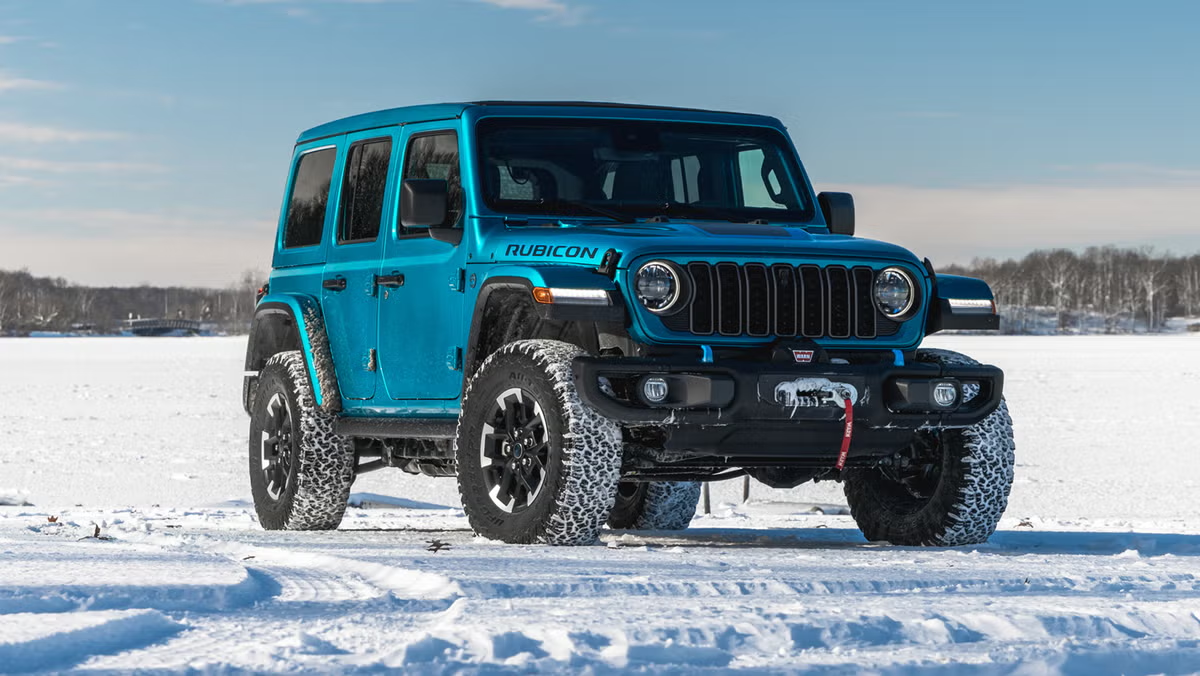
A strange thing happened inside one of America’s most old-school vehicle tribes. Jeep Wrangler 4xe is now the Wrangler story many buyers notice first, not the odd electric side note parked at the edge of the lot. The shift makes sense once you stop treating it like a science project. A plug-in hybrid Wrangler gives shoppers torque, short-trip electric driving, and the same square-shouldered image that made the gas model famous. For readers tracking vehicle trends through auto market coverage, this is the kind of sales move that says more than one model update ever could. American buyers are not giving up adventure. They are changing what adventure needs to feel like Monday through Friday. The weekend trail still matters. So does the school run, the grocery stop, the office commute, and the pain of fuel prices. The 4xe fits that split life better than many people expected.
Why Jeep Wrangler 4xe Demand Changed the Wrangler Conversation
The old Wrangler pitch was easy to understand. You bought it because you wanted open-air fun, four-wheel-drive grit, and a shape that never had to explain itself. The new tension is that buyers still want all of that, but they also want daily use to feel less wasteful. That is where the plug-in hybrid model found its opening. It did not ask loyal Jeep shoppers to become EV people overnight. It gave them an electric taste without taking away the gas engine safety net.
Why are buyers choosing a plug-in hybrid Wrangler now?
The strongest pull is not abstract environmental virtue. It is routine. Many Americans drive short local routes most days, then want a vehicle ready for a camping trip, beach drive, hunting lease, ski road, or mountain trail. A plug-in hybrid Wrangler can make those short routes feel calmer while still acting like a Wrangler when the pavement ends.
That matters because the Wrangler has always been an emotional buy with practical side effects. Nobody needs removable doors for a bank run. People buy the feeling, then live with the compromises. The 4xe softens some of those compromises by adding electric torque and a quieter low-speed feel.
The counterintuitive part is that the hybrid setup may make the Wrangler feel more like itself, not less. Instant torque works well off-road. Quiet movement can make trail driving feel more controlled. For a vehicle built around low-speed confidence, electric help is not a betrayal. It fits.
What the sales shift says about American SUV habits
The Wrangler audience has never been one neat group. A buyer in Colorado may care about trail access. A buyer in Texas may want open-air style. A buyer in New Jersey may want winter confidence and a bold daily driver. The hybrid Jeep SUV catches several of those shoppers at once.
That is why the 4xe rise should not be read as a simple green-car story. It is a convenience story with a rugged badge on the hood. A parent in suburban Denver can charge overnight, run errands on electric power, and still keep the same vehicle for a muddy trail outside Boulder.
This also explains why the standard gas model feels pressure. Gas-only Wranglers still have loyal fans, but the middle of the market keeps asking for more value in daily driving. When a familiar body style gains a second personality, shoppers start comparing more than engines. They compare lifestyles.
The Plug-In Hybrid Math Buyers Feel Before They Calculate
A vehicle like this does not win only on a window sticker. It wins when a buyer stands in a driveway and thinks, “This would cover most of my week.” That private moment matters more than any showroom speech. The plug-in hybrid Wrangler gives shoppers a reason to picture fewer gas-station stops without asking them to gamble on a full EV charging life.
How daily charging changes the ownership routine
Home charging is the quiet advantage. A driver who can plug in at night may start each morning with enough electric range for local errands. That does not erase fuel use on longer drives, but it changes the rhythm of ownership. Gas becomes the backup for big days, not the first thing the vehicle burns every time it moves.
For a lot of U.S. households, that is easier to accept than a full electric switch. Apartment dwellers and renters may still face charging limits, but homeowners with a garage or driveway get the cleanest use case. The vehicle asks for a habit, not a life rebuild.
Here is the small catch: the 4xe makes the most sense when charging becomes normal. A buyer who never plugs it in carries extra hardware without gaining the full benefit. That is where shoppers need honesty, not hype. Compare hybrid ownership costs before falling for the badge alone.
Why torque matters more than fuel savings on trails
Many people talk about hybrid savings first. Wrangler people often notice torque first. Electric motors can deliver strong pull at low speeds, which helps when you are crawling over rocks, easing through ruts, or climbing a loose grade.
That makes the Wrangler 4xe range more than a commuter compromise. On a trail near Moab, for example, smooth low-speed response can matter more than peak horsepower. You want control. You want the vehicle to move when you ask and stop surging when you do not.
The non-obvious insight is that electrification can serve old-school driving better than highway bragging rights. A hybrid Jeep SUV is not only about cleaner city miles. It can give a boxy off-roader a more precise feel in the exact places where Wrangler owners care most.
Why Gas-Only Wrangler Loyalists Are Not Wrong
A sales surge does not make the standard model pointless. Gas-only Wrangler buyers still have sound reasons to stay with what they know. Some live far from charging. Some keep vehicles for a decade and want simpler long-term service. Some tow, travel, or modify their rigs in ways that make the regular powertrain feel safer.
Where the standard model still makes sense
Rural buyers may not want another charging routine. A ranch owner in Wyoming, a hunter in northern Michigan, or a beach-town driver in the Outer Banks may care more about easy fueling than electric miles. Gas stations are everywhere. Home charging is not.
There is also the modification crowd. Lift kits, tire swaps, trail armor, winches, and overlanding gear can change how a Wrangler behaves. Some owners prefer the familiar weight, layout, and service path of the standard model before adding thousands of dollars in parts.
This is where the debate gets more honest. The 4xe may be the hotter sales story, but the gas Wrangler still fits buyers who value simplicity above efficiency. Popular does not always mean better for every driveway.
Why recalls and resale concerns still matter
Electrified vehicles add parts that shoppers need to understand. Batteries, charging systems, software updates, and safety notices can all affect confidence. Anyone shopping used should check the official NHTSA recall lookup before buying or charging a vehicle with open safety work.
That does not mean the 4xe is a bad choice. It means the smarter buyer treats it like a more complex machine. Ask for service records. Confirm recall status. Look at warranty coverage. Make sure the charger and cable are present if buying pre-owned.
The counterintuitive part is that extra complexity does not always scare buyers away. Sometimes it makes the vehicle feel more premium. The same shopper who avoids a cheap unknown hybrid may trust a plug-in Jeep because the Wrangler name carries emotional weight. Brand trust can soften tech anxiety.
What This Means for Jeep Dealers, Shoppers, and the Next Wrangler
Sales momentum changes behavior on both sides of the desk. Dealers stock what moves. Shoppers test-drive what friends talk about. Automakers read trim mix like a voting map. If the electrified Wrangler keeps pulling attention, future Wrangler planning will not revolve around gas engines alone.
Why dealers may push the 4xe harder
Dealers like vehicles with a story. The 4xe story is easy to tell because it starts with familiar Wrangler emotion, then adds electric driving. A salesperson does not have to sell a strange shape or unknown badge. The hard part is explaining charging, incentives, range habits, and recall checks without making the buyer feel lost.
Inventory also shapes perception. When shoppers see several 4xe trims parked near the front, they assume the market has already approved the idea. That matters. Car buying is personal, but it is also social. Nobody wants to feel like the only person taking a risk.
For shoppers, the best move is to test both versions on the same day. Drive a gas model first, then the plug-in. Notice the low-speed feel, brake response, cabin sound, and how the power comes in. Read more SUV buying guides before choosing by trend alone.
What future Wrangler buyers should watch next
The next stage is not only about one model outselling another. It is about what kind of electrification Jeep believes its buyers will accept. Traditional plug-in hybrids, standard hybrids, range-extender systems, and full EVs each solve a different problem.
The Wrangler 4xe range has already shown that many buyers will consider a plug when the vehicle still feels familiar. That lesson may shape future Jeep products more than any ad campaign. Buyers are not rejecting change. They are rejecting change that asks them to give up the reason they wanted the vehicle in the first place.
The non-obvious lesson is simple: the Wrangler may be one of the better places to sell electrification because its buyers already accept compromise. Wind noise, firm rides, high prices, and odd practicality never killed the Wrangler. If the emotional reward is strong enough, shoppers will forgive a lot.
Conclusion
The rise of the plug-in Wrangler is not a neat victory for one side of the auto market. It is messier and more useful than that. Gas loyalists still have real reasons to stay put, especially if they live far from charging or want a simpler long-term rig. Yet the buyer who uses a Wrangler as both a weekday SUV and weekend escape tool now has a stronger reason to consider the electrified version. That is why Jeep Wrangler 4xe demand matters beyond one nameplate. It shows that American shoppers may accept electrification faster when it arrives inside a vehicle they already understand. Jeep did not have to make the Wrangler quiet, soft, or anonymous to make the plug-in idea work. It had to keep the character and improve the routine. For anyone shopping now, the smart move is not to follow the crowd. Drive both, check the numbers, inspect the recall history, and choose the one that fits your real week.
Frequently Asked Questions
Is the plug-in hybrid Wrangler worth it for daily driving?
It can be worth it if you can charge at home and most of your daily trips are short. The value drops if you rarely plug in. The best fit is a driver who wants Wrangler character during weekends and lower fuel use during weekday errands.
How far can the 4xe drive on electric power?
Electric range depends on model year, temperature, tire setup, driving speed, and battery condition. Most shoppers should treat it as local-use range, not road-trip range. For longer drives, the gas engine keeps the vehicle usable without planning every stop around charging.
Does the hybrid system help off-road?
Yes, the electric motor can help at low speeds because torque arrives quickly and smoothly. That can make crawling, climbing, and careful throttle control feel more natural. Trail performance still depends on tires, trim, driver skill, and terrain.
Should I buy a gas Wrangler instead?
A gas Wrangler may fit better if you lack home charging, plan heavy modifications, drive long rural routes, or want a simpler ownership path. The plug-in model makes more sense when charging is easy and you want electric help for daily use.
Is a used 4xe a safe buy?
It can be, but only after checking recall status, service records, battery-related repairs, warranty coverage, and charging equipment. A clean vehicle history matters more with plug-in models because deferred software or safety work can affect ownership confidence.
What makes the plug-in version different from a normal hybrid?
A plug-in model has a larger battery and can be charged from an outlet or home charger. A normal hybrid mainly charges itself while driving. The plug-in setup gives more electric-only driving potential, but it rewards owners who charge often.
Will the 4xe save money on gas?
It can reduce fuel spending for drivers who charge often and take short trips. Savings shrink on long highway drives or if electricity costs are high. Insurance, purchase price, maintenance, and resale should be part of the same calculation.
Who is the best buyer for this vehicle?
The best buyer wants open-air Wrangler personality, has access to regular charging, drives many local miles, and still needs gas-engine freedom for longer trips. It suits people who want change without giving up the familiar Jeep feel.