A deal on a robot vacuum is only exciting when the machine solves a real problem in your home. The Roomba j9 Plus now sits in that sweet spot for many U.S. shoppers: premium enough to handle pet hair, crumbs, carpet grit, and busy-room traffic, yet cheaper enough to make the purchase feel less like a splurge. The smarter question is not “Is it discounted?” It is whether this robot vacuum deal fits the way your floors get dirty every week. For readers who follow practical product news through consumer shopping updates, this is the kind of price drop that deserves a closer look because it changes the value math. iRobot positions this model for larger homes and pet-heavy spaces, with stronger suction than older iRobot combo lines and a self-emptying setup that cuts down daily chores. Retail pricing can shift by seller, stock, and condition, so buyers should check the live cart before ordering. Still, the deeper story is clear: a former flagship-level cleaner has moved into a far more reachable range.
Why the Roomba j9 Plus Deal Feels Different This Time
Price drops happen all the time in smart home gear. Most are noise. A doorbell gets $20 off. A speaker gets bundled with a bulb. You scroll past and forget it by lunch. This one feels different because the product sits in a category where the pain is daily and physical. Dirty floors do not wait for your schedule.
What the sale price changes for U.S. homes
The old problem with premium robot vacuums was simple: they asked you to pay like you were buying an appliance, then still expected you to trust a small disc with pet hair, chair legs, cereal, socks, and carpet edges. At launch-level pricing, that trust had to be earned fast.
At a lower sale price, the decision softens. You are no longer asking whether a robot can replace every deep clean. You are asking whether it can keep the house from sliding into mess between real cleanings. That is a much fairer test.
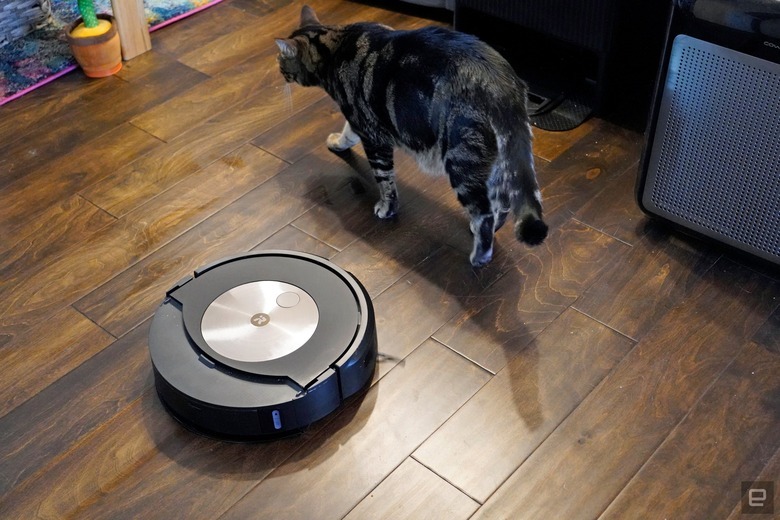
Think of a family in Ohio with a golden retriever, two kids, and a kitchen that always seems to collect crumbs under the island. A cheap bot may wander, miss trouble spots, or choke on hair. A stronger self-emptying robot vacuum makes more sense because the task is not occasional. It is daily.
The counterintuitive part is that the best value may not come from suction alone. It comes from consistency. A vacuum that runs four times a week and empties itself can beat a more powerful upright sitting untouched in a closet.
Where the value shows up after week one
The first day with any smart cleaner feels fun. You map rooms, watch it move, and maybe laugh when it noses around a chair. The second week is where the truth comes out. Does it still run? Do you still trust it? Are you emptying the bin more than expected?
That is why the dock matters. iRobot says this model is built for self-emptying support, and the official listing describes it as available through select retailers with pet-focused features and stronger pickup claims. The discount matters because you are not only paying for the robot. You are paying for fewer tiny cleaning decisions.
For many American homes, that is the hidden cost of cleaning. Not the vacuuming itself, but the repeated thought: “I need to do the floors.” A good robot vacuum deal removes that thought from Tuesday night, Thursday morning, and the hour before guests arrive.
That does not mean everyone should buy it. If your home has thick shag rugs, loose cables everywhere, or floor clutter that changes daily, no robot will feel magical. But if your floors are mostly open and the mess repeats, this sale has real bite.
The Self-Emptying Dock Is the Feature People Underestimate
A robot vacuum without a good dock can turn into a needy pet. It asks to be emptied. It gets full at the wrong time. It stops after cleaning half the living room because the bin is packed with hair. The dock is not a side feature. It is the difference between a gadget and a routine.
Why bagged dirt matters more than app tricks
Apps look good in screenshots. Maps, zones, schedules, room names: all useful. Still, none of that matters if the bin fills too fast. In a home with pets, the first run after a few dusty days can be humbling. Hair rolls up. Fine dust packs in. The robot needs somewhere to put it.
That is where a self-emptying robot vacuum earns its space. The base removes debris from the robot after runs, so the small onboard bin does not become the weak point. It also keeps your hands away from the cloud of dust that comes from dumping a tiny container into the trash.
There is a tradeoff. Dock bags cost money. The base makes noise when it empties. You need an outlet and a little floor space. In a small studio apartment, that dock can feel larger than expected.
But for a two-story suburban home with a shedding dog, the bag system may be the whole reason the machine works long term. A flashy feature makes you buy. A boring feature makes you keep using it.
What apartment dwellers and pet owners should check
Renters should measure first. Not later. The dock needs a stable spot where the robot can leave, return, and line up without fighting a rug edge or table leg. A corner beside a media console may look perfect, then fail because a charging cable hangs nearby.
Pet owners should think about mess type. Dry kibble, fur, tracked litter, and dust are fair targets. Wet food, loose waste, or spilled water are different. Obstacle avoidance helps, but it should not become permission to leave chaos on the floor.
This is also where the “smart vacuum for pet hair” label needs a sober reading. The model can help keep fur from building up, but it does not groom the dog, clean the couch, or pull hair from every fabric edge. It is floor control.
Used well, that is enough. The point is not perfection. The point is walking barefoot through the kitchen without feeling yesterday under your feet.
Cleaning Power, Mapping, and the Pet-Hair Problem
The hardest thing about robot vacuums is not the middle of the floor. That part is easy. The challenge is the edge of the rug, the strip under the breakfast table, the hair along a baseboard, and the dust trail near the back door. That is where cheaper robots start to look tired.
How it handles the mess that hides in carpet
iRobot says its j series cleaner uses stronger suction than older Combo i Series robots, with a three-stage cleaning system and dual rubber brushes meant to pull dirt from carpets and hard floors. That matters because pet hair rarely sits politely on top of carpet. It twists into fibers. It gathers near chair legs. It hides until sunlight hits the room.
A smart vacuum for pet hair should not be judged by one clean-looking hallway. Judge it after a weekend. Let the dog nap in the living room, let the kids snack, let the back door open a dozen times. Then check the bin, the brush area, and the corners.
The non-obvious insight: a robot does better when you stop treating it like a rescue tool. It is not best after two weeks of neglect. It is best when the mess is still small. Frequent runs let the machine collect hair before it becomes a mat.
That changes how you use your main vacuum too. You may still need an upright for stairs, upholstery, car mats, and deep carpet passes. But the weekly battle gets smaller. That is where the sale price starts paying back time.
Why obstacle avoidance is about trust, not novelty
Obstacle detection sounds like a tech spec. In daily use, it is emotional. You either trust the robot enough to run it while you are at the grocery store, or you only run it while watching from the couch. One version saves time. The other becomes entertainment with chores attached.
iRobot’s public materials describe object recognition for clutter such as shoes, cords, backpacks, clothing, pets, and solid pet waste in its j9 family messaging. That does not mean you should test fate with a messy playroom, but it does explain why the model is aimed at homes where floors are lived on, not staged.
A real example: a charging cord beside a nightstand can ruin a cheap vacuum run. It tangles, stops, and sends an alert. After that happens twice, people stop scheduling cleanings. The robot may still “work,” but trust is gone.
Better avoidance protects the habit. And the habit is the product. A cleaner that runs only when conditions are perfect becomes another thing you manage. A cleaner that survives normal clutter earns its place.
Should You Buy It During the Current Price Drop?
This is where shoppers need to slow down for five minutes. A lower price can make a premium product attractive, but it can also hide a mismatch. The right buy depends on your floors, your tolerance for maintenance, your pets, and whether you already own a decent vacuum.
When this robot vacuum deal makes sense
This robot vacuum deal makes the most sense for homes with repeat mess and enough open floor for scheduled cleaning. Pet owners, parents, and anyone with mixed flooring should pay attention. If your kitchen, hallway, and living room collect dirt on a schedule, automation has more value.
It also makes sense if you hate emptying small dustbins. That sounds minor until you do it every other day. A self-emptying robot vacuum turns the annoying part into a less frequent bag change, which is easier to build into your routine.
A good buying rule: pay for the pain you have, not the feature list you admire. If pet hair is your main issue, look at brush maintenance and dock support. If crumbs are the issue, focus on kitchen scheduling. If dust is the issue, run it more often on low-traffic days.
Before buying, compare your needs against a robot vacuum buying guide and a smart home cleaning checklist. Those internal notes will help you avoid buying a premium machine for a problem a simpler cleaner could handle.
When a cheaper model is the smarter buy
A cheaper robot may be smarter if your home is small, mostly hard flooring, and light on pet hair. A single person in a one-bedroom apartment may not need a premium dock, stronger pickup claims, or advanced room logic. A basic scheduled cleaner can still keep dust under control.
You should also skip the deal if your floors are crowded. Robot vacuums need lanes. Dining chairs, toy piles, laundry, cables, and narrow furniture gaps can turn a good machine into a frustrated one. Clearing the floor every time can erase the convenience you paid for.
The current retail picture also deserves care. Amazon listings can show a main seller price, third-party offers, new-used options, and stock warnings on the same product page. That means two shoppers may see different buying conditions minutes apart. Always check whether the unit is new, renewed, third-party, or sold by an authorized retailer before you call the deal safe.
The sharpest move is not chasing the lowest tag. It is matching the price to the risk. A return-friendly seller, clear warranty path, and known condition can be worth more than saving a few extra dollars.
Conclusion
A smart home purchase should make your week calmer, not give you another app to babysit. That is the best way to judge this sale. Look at your floors, your pets, your furniture, and your patience for small chores before you look at the discount badge again.
The Roomba j9 Plus becomes far more interesting when its price falls from flagship territory into a range where the dock, mapping, and pet-focused cleaning feel easier to justify. It is not the right pick for every buyer, and it will not replace every deep clean. No robot vacuum should make that promise.
But for a busy U.S. home with open rooms, steady dust, and fur that seems to return by sunset, this model can remove a surprising amount of daily friction. That is the real deal. Not the sticker shock in reverse, but the quiet relief of fewer dirty-floor moments. Buy it only if it solves the mess you live with.
Frequently Asked Questions
How much should I pay for this Roomba model on sale?
A strong sale price is usually one that sits far below its original flagship range while still coming from a trusted seller. Check live pricing, condition, return policy, and warranty support before ordering. A cheaper third-party listing is not always the safer buy.
Is this iRobot model worth it for pet hair?
Yes, it can be worth it for homes with steady shedding, especially when paired with frequent scheduled runs. It helps keep fur from building up on floors. You will still need to clean upholstery, stairs, thick rugs, and brush parts by hand.
Does the self-emptying dock need replacement bags?
Yes, the dock uses bags that must be replaced after they fill. That adds a small ongoing cost, but it also keeps dust and hair contained better than dumping a tiny onboard bin after every run.
Can this robot vacuum replace a full-size vacuum?
No, it should be seen as floor maintenance, not a full replacement. It can cut down daily dust, crumbs, and hair, but you still need a standard vacuum for stairs, furniture, deep carpet cleaning, and tight spots.
Is it better for carpet or hardwood floors?
It can work on both, but the value depends on your mess. Carpet owners may benefit from stronger pickup and regular hair control. Hardwood owners may appreciate frequent crumb and dust cleanup in kitchens, hallways, and pet areas.
What should renters check before buying?
Measure the dock space, confirm outlet access, and make sure the robot has room to leave and return cleanly. Renters should also consider noise, storage, return policy, and whether the floor layout has too many tight furniture gaps.
Does it work with voice assistants?
Yes, iRobot lists voice assistant support through common smart home systems, depending on setup and region. Most buyers will still use the app for maps, room names, schedules, and cleaning zones because those controls are easier to manage there.
Should I buy a renewed or used unit?
A renewed or used unit can save money, but check battery health, dock condition, missing parts, return window, and warranty terms. For a self-emptying model, the dock matters as much as the robot, so inspect both before keeping it.